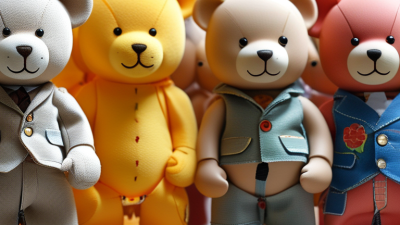
Choosing a dependable supplier is one of the most important decisions behind a successful Toys For Kids range. A bright sample may catch a child’s eye. The real test is how consistently the supplier can deliver safe materials, clear product information, dependable quality, and timely production. Small details matter: smooth edges, securely fitted parts, readable age guidance, and packaging that survives a long journey.
Early-childhood education pioneer Friedrich Froebel wrote, “Play is the highest expression of human development in childhood.” His words offer a useful lens for comparing suppliers. A strong partner should understand not only production, but also how children explore, build, imagine, and play. In China, suppliers vary widely in manufacturing experience, customization options, communication, and quality-control practices. A polished website alone proves little. Ask for product specifications, sample checks, production details, and clear answers about materials and testing. Then compare the evidence, not just the price.
This guide introduces leading Chinese suppliers and the strengths they may bring to different sourcing needs. Some may suit large orders; others may offer more flexibility for smaller product lines. There is no perfect shortlist for every buyer. Supplier information can change, and a promising sample may not reflect every production run. That deserves a second look. Use the profiles as a starting point, verify claims directly, and assess each candidate against your product, budget, and delivery requirements.
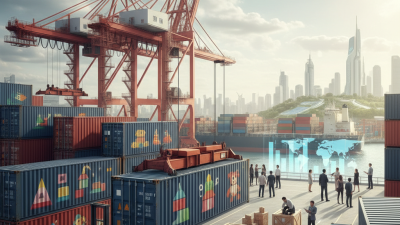
China’s toy supply chain is not a single-factory story. It often connects component makers, mold shops, assembly lines, packaging suppliers, inspectors, and export coordinators. Many businesses operate in coastal manufacturing hubs, while specialized parts may travel between cities. A plastic wheel, printed carton, and small screw can come from different workshops. That adds flexibility.
Suppliers vary in what they control. Some manage product development, tooling, and production under one roof. Others coordinate independent factories and focus on orders, documentation, and shipping. The strongest partner is not always the largest; clear communication and reliable production planning matter too. Ask who makes each component and where final assembly happens. Request a sample, a written specification, and a production timeline before confirming an order. Small details matter.
Factory visits or independent inspections can help verify processes, but one visit cannot guarantee every batch will match. The chain can be fragmented, and that is worth remembering. Check how defects are recorded, who approves packaging changes, and how delays are reported. A carton stacked beside a busy packing line may reveal more about daily workflow than a polished product photo. Still, records and follow-up matter.
China’s toy manufacturing is concentrated in a few regions, but each has a different production character. Guangdong is the broadest sourcing base: Chenghai, in Shantou, is known for plastic toys, while Dongguan and Shenzhen support electronics, models, and product development.
The General Administration of Customs of China recorded roughly US$40 billion in toy exports in 2023, showing the scale of the country’s export supply chain. That figure covers many product types, not one region alone.
Zhejiang offers more focused clusters. Yunhe specializes in wooden toys, with local workshops making blocks, puzzles, and role-play sets; Yongjia is associated with educational play products. Local suppliers can often coordinate small components and packaging nearby, which helps simplify sampling.
Jiangsu and Shandong also have toy factories, though their strengths vary by city and product category. The China Toy and Juvenile Products Association’s industry reporting is useful for tracking sector trends, while local government industry profiles help identify cluster specialties.
Scale matters. Still, regional labels are imperfect: a supplier’s actual capabilities may differ from its location’s reputation, so check materials, tooling, and sample quality directly.
Toy suppliers in China serve different markets, so the right partner depends on price, materials, and order size. OEM factories make products to a buyer’s design, while ODM suppliers offer existing designs that can be adapted. This can shorten development, but buyers should confirm who owns the mold and artwork. Ask for a production sample. Check seams, paint coverage, moving parts, and packaging against the approved version.
Some suppliers specialize in educational toys, wooden play sets, plush items, or outdoor products. Their teams may understand age grading, durability, and details parents notice, such as rounded edges or washable fabric. A small retailer may prefer a trading company that combines product types and coordinates smaller orders. Larger chains often work directly with factories for steadier capacity and tighter cost control. Neither route is automatically safer.
Online sellers often need compact packaging, clear product photos, and reliable replenishment. Schools and childcare buyers may care more about repeated-use durability and easy cleaning. Ask suppliers for material records, inspection steps, and test documents relevant to the intended market. Compare paperwork with samples and production details; documents alone do not prove consistency. A sample can look perfect, then production drifts. Keep written specifications, inspect a pre-shipment batch, and leave room for follow-up questions. That takes time.
China’s leading toy suppliers operate across several manufacturing clusters, rather than one single hub. Guangdong is known for plastic toys, electronic play products, and dense networks of component makers. Shantou and nearby cities offer many specialist factories, while Zhejiang and Jiangsu also have established production bases. The China Toy and Juvenile Products Association, drawing on customs statistics, reported toy exports of about US$40.7 billion in 2023. That scale signals deep manufacturing capacity, but not uniform quality. The figure covers a broad customs category, so it does not show which suppliers specialize in a particular toy type.
Leading suppliers generally include original-equipment manufacturers, product-development factories, and smaller specialists focused on materials or processes. A useful clue. Ask whether a factory makes the product itself or coordinates subcontractors. Request recent production samples, written inspection criteria, and clear information about tooling, minimum order quantities, and delivery times. Then compare those claims with a live factory visit or an independent audit, where practical. A polished catalogue alone proves little.
Supplier capability can vary sharply, even within the same industrial cluster. One factory may handle injection molding and assembly in-house; another may depend on outside workshops, adding coordination risk. Buyers should verify test documentation against the exact model and materials ordered, not rely on a general certificate. This takes time. Still, checking a sample batch under realistic packaging and shipping conditions can reveal loose parts, color differences, or damage that showroom samples conceal.
China’s toy export value provides a broad indicator of the manufacturing and sourcing market serving international buyers. These industry-wide figures are not a ranking of individual suppliers.
Source: China Toy and Juvenile Products Association (CTJPA), annual toy-export statistics. Values are rounded.
Who Are the Top Toys for Kids Suppliers in China?
How to Evaluate Supplier Quality and Compliance?
A supplier’s polished catalog tells you little about how consistently it controls production. Ask for a sample made with the same materials, components, and process planned for your order. Check seams, edges, small parts, paint finish, and packaging by hand. Keep dated photos and a written checklist so several samples can be compared fairly. Paper is not proof. Request test reports that identify the exact product and materials, then confirm the report details with the issuing laboratory. Requirements vary by destination and product type, so verify which standards and documents apply before placing an order.
Look for traceability records linking incoming materials to finished batches. Ask how the factory handles rejected parts, production changes, and customer complaints. A short video call can show workstations and inspection steps, but it cannot replace an independent site assessment when the order warrants one. Review inspection criteria before production, including acceptable defect levels and what happens if a lot fails. An audit is only a snapshot. I would not treat one successful visit as proof that every later batch will match. Compare records over time, inspect pre-shipment goods, and note whether the supplier answers specific questions with evidence rather than broad assurances. A clear process matters. So does a willingness to discuss weaknesses.