When global buyers search for “10 Best Toy Exporters for Global Buyers,” they need more than attractive product photos. They need dependable partners who can support safe, compliant, and repeatable purchasing. This guide introduces exporters with practical strengths in manufacturing, quality control, communication, and international fulfillment. It focuses on evidence, not exaggerated promises. Not every supplier fits every market. Details matter.
Each selected company should be assessed through clear business signals. These include factory experience, product specialization, minimum order quantities, production capacity, and delivery performance. We also consider material traceability, age grading, packaging quality, and testing procedures. Independent laboratory reports can provide useful confirmation. However, certificates should be checked against the buyer’s destination market and current requirements. A professional exporter should explain these details without avoiding difficult questions.
The phrase “Exporter Toys” may describe a broad supplier category, but quality varies widely within it. Some companies offer creative designs and flexible customization. Others provide stronger systems for large retail programs. That difference matters when deadlines are tight or products require several inspections. Buyers should compare samples, communication speed, factory documentation, and after-sales support before signing contracts. A reliable partner should welcome reasonable verification. Still, no ranking is perfect. Market conditions change, and a supplier’s performance may depend on order size, season, and product type. Use this guide as a practical starting point, then confirm every important claim through direct discussions, recent samples, and independent checks.
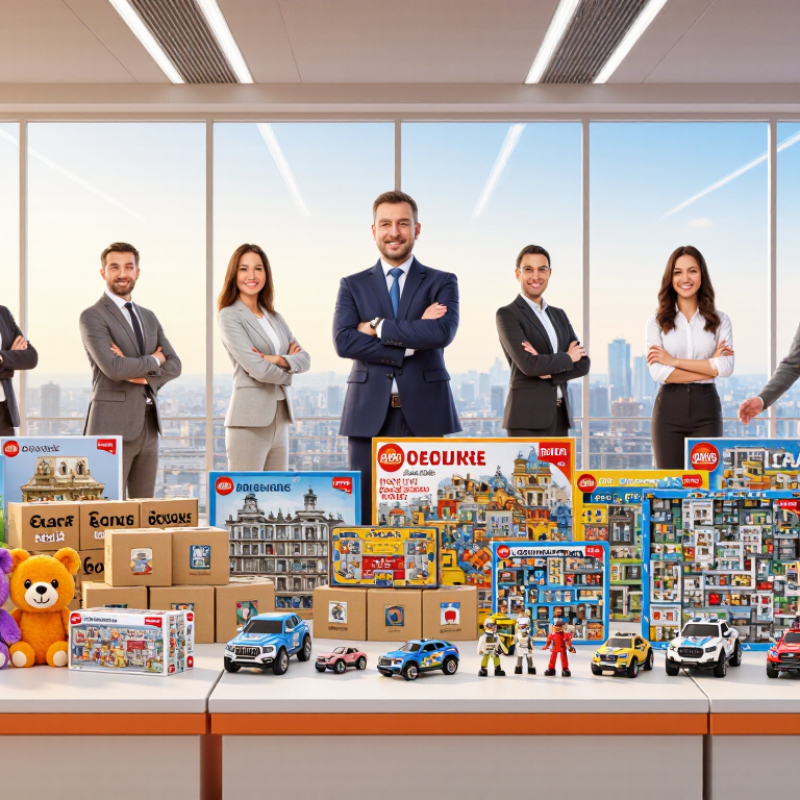
Global buyers evaluate toy exporters through evidence, not attractive catalogs. A reliable exporter should provide a clear company profile, verifiable factory address, production photos, and recent audit records. Product samples must match final batch quality. Small details matter, including smooth edges, secure battery compartments, readable age labels, and durable packaging. A polished website proves little.
Professional buyers also review safety documentation, material declarations, laboratory test reports, and traceable production records. These documents should identify the tested product, test date, and responsible facility. Exporters need stable quality controls, trained inspectors, and written procedures for handling defects. A trial order can reveal more than a sales presentation. Check carton strength, color consistency, assembly accuracy, and shipping damage after delivery.
Communication is another serious measure. Exporters should answer technical questions directly, confirm specifications in writing, and report delays before they become costly. Capacity claims deserve careful checking against equipment, staffing, and seasonal demand. Ethical labor practices and responsible sourcing also affect long-term reliability. No scorecard is perfect. A factory may pass an audit yet struggle with a sudden large order. Buyers should leave room for follow-up inspections, repeated sampling, and honest reconsideration when evidence changes.
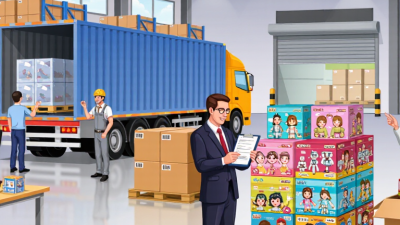
Global buyers often compare toy exporters by region and product type, not by price alone. East Asia remains strong in plastic construction sets, electronic learning toys, and molded play products. South Asia offers competitive plush toys, fabric dolls, and simple wooden items. European suppliers are often considered for puzzles, educational products, and sustainably designed toys. According to UN Comtrade trade data for 2023, China remained the largest exporter under HS code 9503, which covers many wheeled toys, dolls, and other recreational products. However, export volume does not always prove better quality.
A useful shortlist of ten exporters should include suppliers from East Asia, Europe, South Asia, and Latin America. Product audits should check material consistency, stitching strength, paint adhesion, and packaging durability. Grand View Research valued the global toys market at about USD 108.7 billion in 2023. Its report also forecasts continued growth through 2030. Yet market reports can differ by product scope, so buyers should avoid treating one number as absolute. I have seen low-cost samples pass visual checks but fail repeated-use testing. That weakness matters in real distribution.
Tips: Match each exporter to a product category. Request recent test reports, factory photos, sample records, and production timelines. Verify applicable safety standards before payment. Compare landed cost, not only the quoted unit price. Freight, inspection, packaging, and seasonal delays can change the final margin. A smaller supplier may communicate better, but its capacity needs careful verification.
| Rank | Exporter Country | Region | Main Toy Product Types | Export Strengths | Typical Buyer Markets | Key Compliance Considerations |
|---|---|---|---|---|---|---|
| 1 | China | East Asia | Plastic toys, dolls, construction sets, outdoor toys, electronic toys, plush toys | Very large manufacturing base, broad supplier network, flexible customization, tooling capacity and high-volume production | North America, Europe, Asia-Pacific, the Middle East and Latin America | Destination-market requirements such as ASTM F963, EN 71, CPSIA, REACH, RoHS and battery safety rules |
| 2 | Germany | Western Europe | Board games, puzzles, educational toys, wooden toys and collectible play products | Engineering quality, strong product development, established safety processes and premium educational designs | European Union, the United Kingdom, North America and Asia | EU Toy Safety Directive, EN 71, CE marking, REACH and packaging obligations |
| 3 | Czechia | Central Europe | Wooden toys, educational toys, puzzles, dolls and traditional playsets | Strong woodworking tradition, design-oriented products, small-batch capability and proximity to EU buyers | European Union, the United Kingdom and North America | EN 71 testing, CE marking, chemical restrictions, timber traceability and product labeling |
| 4 | Poland | Central and Eastern Europe | Plastic toys, dolls, games, puzzles, educational toys and seasonal products | Competitive EU-based manufacturing, efficient logistics and experience with mass-market toy categories | European Union, the United Kingdom and nearby non-EU markets | EU Toy Safety Directive, EN 71, CE marking, REACH and importer documentation |
| 5 | Italy | Southern Europe | Ride-on toys, infant toys, dolls, creative play products and outdoor toys | Design capability, creative product development, established plastics processing and premium positioning | European Union, North America, the Middle East and selected Asian markets | CE marking, EN 71, REACH, age grading, mechanical safety and packaging compliance |
| 6 | Netherlands | Western Europe | Board games, puzzles, educational toys, activity products and distribution-oriented assortments | Major European logistics hub, strong distribution infrastructure and efficient re-export capabilities | European Union, the United Kingdom and global wholesale markets | EU product safety, CE marking, EN 71, packaging waste rules and multilingual labeling |
| 7 | Denmark | Northern Europe | Construction toys, creative play products, educational toys and design-led playsets | Strong design culture, educational focus, durable product development and high-quality international distribution | European Union, North America, Asia-Pacific and other premium markets | EN 71, CE marking, REACH, sustainability claims and responsible materials documentation |
| 8 | Japan | East Asia | Electronic toys, hobby products, action figures, puzzles and character-free collectible toys | Advanced product engineering, precision manufacturing, creative design and strong quality control | Asia-Pacific, North America and Europe | Electrical safety, battery transport rules, radio-frequency compliance, age labeling and destination-market testing |
| 9 | Vietnam | Southeast Asia | Plush toys, wooden toys, plastic toys, educational products and sewn play items | Growing manufacturing capacity, competitive labor costs, export-oriented factories and supply-chain diversification | North America, Europe, Japan, South Korea and Australia | ASTM F963, CPSIA, EN 71, chemical testing, flammability rules and social-compliance audits |
| 10 | Mexico | North America | Plastic toys, outdoor toys, dolls, games and promotional play products | Nearshoring advantages, access to North American logistics networks and regional manufacturing experience | United States, Canada, Latin America and selected European markets | U.S. and Canadian toy safety rules, ASTM F963, CPSIA, labeling, chemical and flammability requirements |
Note: The list compares established toy-export profiles by manufacturing capability, product specialization, logistics access and common buyer requirements. Export suitability should be confirmed through current trade records, factory audits, product testing and destination-market regulations.
The ten exporter profiles differ by production depth, compliance control, and target market. East Asian suppliers often provide molding expertise, competitive pricing, and high-volume assembly. Their key checks include ISO 9001 systems, ISO 8124 testing, and ASTM F963 compliance for North America. European exporters usually offer strong design, traceability, and EN 71 conformity for European Union markets. Some provide FSC-certified wood and GOTS-certified textiles. These certificates help, but buyers should verify scope, validity, and product coverage.
South Asian exporters can be attractive for handmade, wooden, and textile toys. Their strengths include flexible quantities and skilled finishing. Independent social audits may support labor-risk reviews.
Latin American exporters often shorten delivery times to the United States and regional markets. They may support Spanish and Portuguese packaging requirements.
According to UN Comtrade 2024 data, China remains the leading toy-exporting hub, supported by dense supplier networks. However, concentration creates freight and sourcing risks. That weakness matters.
The 2024 global toy market report recorded a 7% sales decline in 2023 across major tracked markets. Buyers should therefore compare exporters beyond price. Request recent laboratory reports, batch-traceability records, recall procedures, and packaging tests. Check small parts, magnets, coatings, and battery compartments carefully. A supplier with ISO 14001 may demonstrate stronger environmental systems, but certification alone proves little. Factory visits reveal details remote documents miss: dusty storage areas, mixed cartons, or inconsistent labels. No exporter is flawless. A cautious buyer should keep a second qualified source.
10 Best Toy Exporters for Global Buyers?
The best exporter is not always the cheapest. Compare unit prices, sample fees, tooling costs, and payment terms in one spreadsheet. Ask whether quotes include packaging and export documentation. Low prices may hide weak cartons or expensive molds. Small details matter. Minimum order quantities often range from a few hundred to several thousand units. Request a lower trial quantity for a first order. A flexible supplier may accept mixed colors, but this can increase packing errors.
Quality control should be visible, not promised. Ask for material certificates, age-grade testing, production photos, and a written inspection plan. Independent pre-shipment inspections can check dimensions, paint coverage, moving parts, labels, and carton strength. Keep an approved sample beside the production line. It sounds simple. It is often missed. I would also request batch records and corrective-action reports when defects appear. A perfect inspection claim without evidence deserves caution.
Shipping comparisons need more than freight rates. Check lead time, port options, carton measurements, gross weight, and required customs documents. Compare FOB, CIF, and delivered quotations carefully, because responsibilities change between them. Sea freight usually costs less for large orders, while air freight helps with urgent replenishment. Confirm how damaged cartons are handled. Some exporters offer strong factory control but weak communication after dispatch. That weakness can delay clearance and frustrate buyers. Review response times before placing a deposit, not after the cargo leaves.
How Global Buyers Can Select the Right Toy Exporter
Choosing among the 10 best toy exporters requires more than comparing prices. A polished catalog is not proof of reliable production. Ask for evidence. Request recent product samples, factory photographs, testing reports, and clear material specifications. Check whether the exporter explains age grading, small-part risks, paint composition, and packaging details without vague promises.
A dependable exporter should understand your destination market and its safety requirements. Confirm production capacity, lead times, inspection procedures, and shipping responsibilities in writing. Ask how the factory handles defective units. Small details matter. A strong supplier usually provides batch records and responds with practical answers. Slow replies may indicate weak coordination, although busy factories can also communicate imperfectly.
Price deserves careful attention, but the lowest quotation can hide thinner materials or inconsistent assembly. Compare the full landed cost, including tooling, packaging, freight, inspections, and possible rework. I would also test communication before placing a large order. Send a detailed specification and observe whether the exporter notices missing measurements or unclear instructions. That response reveals useful professional judgment. Still, no checklist is perfect. A sample may pass inspection while later batches vary. Use staged orders, independent inspections, and written approval points to reduce that risk. Do not rush. A suitable exporter should welcome reasonable questions, disclose limitations, and improve when problems are identified.