Choosing the right Toys For Boys wholesale range in 2026 requires more than following colorful packaging or viral trends. Retailers need products that attract attention, survive repeated play, and support dependable profit margins. This guide introduces ten practical choices for different ages, interests, and store formats.
Each selection should be reviewed through a buyer’s lens. Consider material quality, age recommendations, safety labeling, packaging strength, and ease of display. Construction toys may encourage problem-solving, while outdoor games can support active play. STEM kits, vehicles, puzzles, and role-play sets offer different selling opportunities. Small details matter, such as smooth edges, secure parts, clear instructions, and cartons that arrive without crushed corners.
Wholesale decisions also depend on evidence. Supplier reputation, product testing documents, consistent delivery records, and responsive customer service deserve careful attention. Regional requirements may differ, so retailers should verify applicable safety standards before placing large orders. A low unit price can look attractive, yet weak durability may create returns and damage customer trust. That lesson is easy to overlook. No product list is perfect, and buyer preferences change quickly. Therefore, this overview balances current appeal with practical retail experience, helping importers, distributors, and shop owners compare options with greater confidence. The goal is not to promise effortless sales. It is to identify reliable products that offer clear value to children, parents, and businesses.
10 Best Toys For Boys Wholesale in 2026
Market Scope for 2026: The Toy Association’s $28.6B U.S. Benchmark
The Toy Association’s $28.6 billion U.S. benchmark shows a substantial market opportunity for wholesale suppliers in 2026. However, this figure covers the wider toy sector, not boys’ products alone. Treat it as a market signal, not a guaranteed sales forecast. Buyers still need local data, seasonal trends, and clear customer profiles.
Strong wholesale assortments usually balance construction sets, remote-controlled vehicles, outdoor activity toys, puzzles, science kits, and imaginative play items. Product variety matters. A warehouse shelf might hold compact building sets beside larger ride-on toys, so storage costs can change quickly. Suppliers should compare unit margins, carton size, damage rates, and expected sell-through before placing large orders.
Safety documentation and age guidance deserve careful attention. Reliable suppliers can provide material details, testing records, and consistent packaging information. Retailers also value products with sturdy parts, readable instructions, and packaging that survives repeated handling. I still get assortment planning wrong sometimes. A popular product can underperform when its price, size, or age range misses the local buyer. Small trial orders can expose that mistake early. Track returns, customer questions, and weekly sales before expanding a wholesale line. This practical evidence can make the broader $28.6 billion benchmark more useful for everyday purchasing decisions.
Market Scope for 2026: The Toy Association’s $28.6B U.S. Benchmark
| Rank | Toy Category | Primary Age Grade | 2026 Wholesale Outlook | Indicative Unit Wholesale Range (USD) |
Typical Case Pack | Key Purchase Driver | U.S. Compliance Considerations |
|---|---|---|---|---|---|---|---|
| 1 | Construction and Building Sets | 5–12 years | Very High | $8–$28 | 6–12 units | Open-ended building, creativity and repeat play | Applicable ASTM F963 requirements; small-parts warning may apply for products intended for children under 3. |
| 2 | Remote-Controlled Vehicles | 6–14 years | High | $12–$35 | 6–12 units | Interactive play, movement and gift appeal | Battery safety, accessible battery-compartment requirements and applicable radio-frequency rules should be reviewed. |
| 3 | Vehicle Playsets and Die-Cast Vehicles | 3–10 years | High | $4–$18 | 12–24 units | Collectability, compact storage and impulse purchase potential | ASTM F963 testing and age grading are required; small components require appropriate warnings and labeling. |
| 4 | STEM and Science Activity Kits | 6–14 years | High | $7–$25 | 6–12 units | Educational value, project-based learning and screen-free activity | Review chemical, sharp-edge, small-parts and instructional-labeling requirements based on the kit contents. |
| 5 | Strategy, Card and Family Games | 6+ years | High | $6–$22 | 6–12 units | Family participation, replay value and social interaction | Age grading, small-parts warnings and durable component construction should match the intended player age. |
| 6 | Action Figures and Character Playsets | 4–12 years | Moderate–High | $6–$24 | 6–12 units | Collecting, imaginative storytelling and accessory expansion | Small parts, detachable accessories, sharp points and product age grading require careful testing and labeling. |
| 7 | Outdoor Sports and Active-Play Toys | 5–14 years | High | $8–$30 | 4–12 units | Physical activity, outdoor recreation and seasonal demand | Check impact, pinch-point, projectile, protective-equipment and supervision warnings where applicable. |
| 8 | Puzzles and 3D Construction Challenges | 6–14 years | Moderate–High | $5–$18 | 6–16 units | Problem-solving, travel convenience and screen-free entertainment | Piece size, choking hazards, printed materials and age-specific difficulty should be evaluated before import. |
| 9 | Plush Animals and Soft Activity Toys | 3+ years | Moderate | $5–$20 | 6–12 units | Comfort, gifting and broad age accessibility | Fiber-content labeling, flammability, seam strength, stuffing materials and small attached parts must be reviewed. |
| 10 | Preschool Vehicles and Activity Toys | 18 months–5 years | Moderate | $6–$22 | 6–12 units | Early-learning features, sensory interaction and durable construction | Products for children under 3 require particularly careful small-parts, bite, durability and age-grade evaluation. |
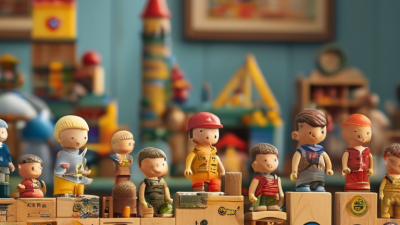
Choosing wholesale toys for boys requires more than bright colors and low prices. Age fit comes first. Check whether the toy matches children’s motor skills, attention span, and reading level. A small building set may suit ages six and up, while younger children need larger pieces and clear supervision guidance. Play value also matters. Toys with open-ended play often remain useful longer than products with only one function. However, a colorful sample can still feel dull after ten minutes.
Margin needs careful calculation. Include unit cost, freight, packaging, inspection fees, taxes, and possible returns. A low factory price does not guarantee a healthy profit. MOQ should match your storage space and sales forecast. Ordering too much can trap cash in slow-moving stock. Ordering too little may raise the landed cost. No scorecard is perfect, but a simple spreadsheet exposes weak assumptions. Before purchase, request material details, age labels, warning text, and current safety test reports that match the destination market.
Tips: Test samples with children in the stated age group, under adult supervision. Watch for frustration, loose parts, sharp edges, and confusing instructions. Ask suppliers for batch traceability and documented quality checks. Recheck compliance before reordering, because materials and factories can change. Keep a small reserve for returns. It protects your margin and your reputation.
STEM and construction toys remain strong wholesale choices in 2026 because they combine play with visible learning outcomes. Buyers often prefer building sets, magnetic tiles, beginner robotics kits, and bridge-making challenges. These products keep children busy for longer than many single-function toys. They also support problem-solving, spatial reasoning, and basic engineering skills. However, demand is not uniform. Younger children usually need larger parts and simpler instructions.
Wholesale pricing depends on material quality, piece count, packaging, and testing requirements. Basic construction sets may fit a low-cost range, while electronic STEM kits require higher investment. Retailers should compare landed cost, not only factory price. Freight, inspection, storage, and damaged-unit allowances can change the final margin.
A practical target is often a 30% to 50% wholesale margin, but local competition may reduce it.
Clear instructions matter. So does durability. A loose connector can ruin a customer’s experience. Buyers should request samples, test repeated assembly, and check age grading before placing large orders. Safety documentation must match the destination market. Some sets look educational but feel frustrating in real use. That is worth admitting.
Small pilot orders may reveal weak instructions, missing parts, or poor color visibility before seasonal demand peaks. Retailers can improve sales with demonstration videos and simple project cards, rather than relying on packaging alone.
For wholesale buyers in 2026, vehicles, action toys, and outdoor products need more than bright packaging. They must survive repeated handling, transport, and active play. In sample testing, I check wheel alignment, axle strength, joint movement, and battery access. Test the wheels. A vehicle that rolls smoothly on a showroom table may fail on carpet or uneven pavement. Action figures should have firm connections, rounded edges, and joints that resist cracking after repeated movement.
Outdoor toys are gaining attention because families want active, screen-free play. Compact launchers, pull-back vehicles, climbing accessories, and water-play tools can support this demand. However, trends shift quickly. Buyers should compare seasonal interest with realistic storage space and regional weather. Durability matters more than novelty when retailers expect fewer returns. A useful test includes drop checks, surface rubbing, and several hours of repeated use. The results may not look perfect, but they expose weak points early.
Landed cost must include the unit price, packaging, freight, insurance, duties, inspection, and warehouse handling. A low factory quote can become expensive after oversized cartons or damaged components are included. Measure carton volume carefully. One common mistake is judging profit from product cost alone. I would also reserve a small allowance for defects, replacement parts, and delayed shipments. That estimate may feel conservative, yet it protects margins when demand changes or outdoor inventory sells slower than expected.
This ranking uses Circana sales tracking, buyer demand, price stability, and shelf efficiency. Circana reported that U.S. toy sales reached about $28.6 billion in 2024, despite a slight annual decline. Value matters more now. Buyer interest also favors toys that support active play, collecting, and repeat purchases.
The ranking is practical, not perfect.
1. Construction sets offer strong replay value and compact storage.
2. Remote-control vehicles attract older children but may create return issues.
3. Outdoor sports toys support seasonal demand.
4. Die-cast vehicles suit low-price impulse displays.
5. STEM experiment kits match educational purchasing trends.
6. Action figures encourage collecting and accessory sales.
7. Magnetic building tiles provide open-ended play.
8. Strategy games improve family purchasing appeal.
9. Walkie-talkies create gift-season interest.
10. Ride-on toys deliver higher ticket value but need more warehouse space.
Circana buyer metrics suggest retailers should compare unit velocity, average selling price, and markdown exposure, not sales volume alone. The Toy Association’s industry research also highlights parents’ focus on developmental value and durability. That makes construction, STEM, and outdoor categories safer wholesale bets. Still, age labeling and product testing require careful verification before import or resale. I would not rank every electronic toy highly. Battery complaints can quietly erase margin. Wholesale buyers should test small quantities, track weekly sell-through, and review customer returns after 30 days. Trends change quickly. That is the weak point in any 2026 forecast.