Top 10 Toy Stores in China for Global Buyers?
China’s toy retail landscape is changing quickly, and global buyers need more than a polished catalogue. A useful Toy Store can reveal how products are presented, which categories attract attention, and how clearly suppliers explain materials, packaging, and order terms. Circana’s 2024 global toy review reported sales growth of 1% across 12 key markets. That modest rise makes careful product selection and retail insight especially valuable.
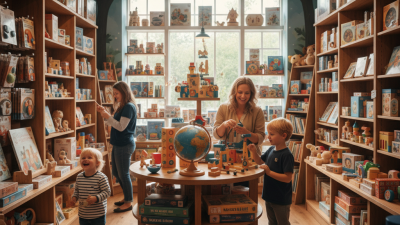
This guide introduces ten toy stores in China as potential research stops for international buyers. It considers product range, retail presence, communication, and usefulness for understanding local demand. A shop window packed with building sets, plush toys, and bright learning displays can tell buyers something—but not everything. Store visits cannot replace supplier checks, sample reviews, or clear commercial agreements. The list is a starting point, not a guarantee.
Toy-industry consultant Richard Gottlieb, founder of Global Toy Experts, has written extensively about how retail changes with consumer expectations. I cannot verify a verbatim quotation from him on this specific China-focused topic, so I will not invent one. His broader retail perspective supports a practical principle: buyers should assess how a store helps shoppers discover and understand products, not simply count its shelves. That distinction matters. It is easy to overlook, and this guide may not capture every regional difference. Use it to ask better questions before choosing partners.
How Toy Stores in China Serve Global Buyers
Top 10 Toy Stores in China for Global Buyers?
Toy stores in China serve international buyers in several ways, from displaying ready-to-ship products to arranging factory-direct orders. In wholesale districts, buyers can compare toy sizes, materials, packaging, and prices in person. A sample held in your hand often reveals details a product photo misses.
Many stores help overseas customers discuss order quantities, custom packaging, and shipping options. Some provide basic translation or digital catalogs, while others rely on buyers to explain specifications clearly. Ask for written details about materials, dimensions, carton quantities, and production timelines. Small misunderstandings can become expensive.
Good sourcing takes more than a quick visit. Buyers should request samples, check product labels, and confirm quality expectations before placing larger orders. Keep records of agreed colors and packaging; memory is unreliable. Some shops may not have every item in stock, and lead times can change during busy seasons. That is worth asking about early. I would also leave room for a second review: a promising display does not always represent the final bulk order.
Criteria for Selecting the Top Toy Stores
A useful comparison of toy stores in China starts with evidence, not attractive photos. Check whether the range includes clear age grades, materials, dimensions, and packaging details. A capable seller should explain how products are inspected and provide current test reports that match the exact model offered. Ask for production records or sample labels when details seem vague. Small inconsistencies matter.
Communication is another practical test. Send the same inquiry to each candidate and compare how clearly they answer questions about minimum order quantities, sample costs, customization, lead times, and shipping terms. Request a physical sample before placing a large order; inspect seams, paint finish, small parts, and the package label. Then confirm that bulk production will match the approved sample. Details can drift.
Reliable stores also set realistic schedules and explain how they handle defects, delays, or missing cartons. Check whether quotations separate product, packaging, and freight costs, and keep specifications in writing. A polished reply is not proof of dependable service, and one sample cannot reveal every production issue. I would weigh documented consistency more heavily than the widest catalogue, while admitting that this takes time. That trade-off is easy to underestimate.
Top 10 Toy Stores in China for Global Buyers: Selection Criteria
A buyer-side evaluation framework for comparing suppliers—not store rankings or measured company data.
Suggested weights total 100 points. They prioritize product safety and compliance, followed by product quality, export readiness, and commercial terms. Adjust the weights to fit your market and sourcing needs.
Profiles of China’s Leading Toy Stores
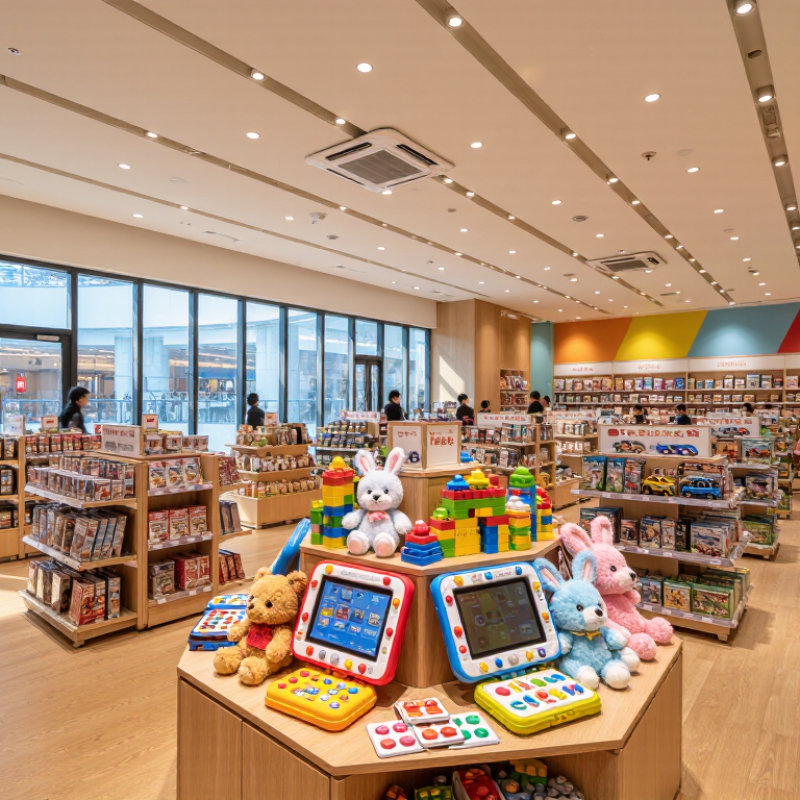
China’s toy retail scene serves very different buyers. These ten store profiles are useful starting points, not a fixed ranking. Large urban toy floors offer broad ranges and easy side-by-side comparisons. Educational shops focus on puzzles, building sets, and classroom-friendly play. Collectible specialists display small figures behind glass, while wooden-toy stores emphasize smooth finishes and tactile materials. Plush shops are easy to spot by their soft displays and crowded shelves.
Hobby stores serve model-making and craft interests. Outdoor-play shops carry ride-ons and active-play equipment. Baby-focused retailers highlight simple shapes and age guidance. Wholesale showrooms often group products by category, making sample checks easier. Online-linked shops may offer wider catalogs, but product photos cannot replace inspection. Details vary by city and seller.
Tips: Ask for material specifications, age recommendations, packaging dimensions, and sample photos. Confirm stock and lead times in writing. Check stitching, paint edges, moving parts, and carton strength on physical samples. A polished display is reassuring, but not proof of consistent quality. I would still compare several sellers; that takes time, and one inspection may miss a flaw.
Product Ranges and Sourcing Options for International Buyers
China’s toy suppliers offer more than plush animals and plastic vehicles. Buyers can compare puzzles, building sets, arts-and-crafts kits, outdoor play items, and educational toys. Product details vary widely, even within one category. A wooden puzzle may differ in finish, piece thickness, and packaging. Small details matter. Request a current catalogue, material specifications, age guidance, and clear product photos before comparing prices. Online listings can be useful, but they may not show the exact version available for export.
International buyers can source through wholesale marketplaces, regional trade fairs, or local sourcing agents. Some suppliers accept small trial orders; others require larger minimum quantities for custom colours or packaging. Ask for samples and confirm lead times, carton dimensions, inspection arrangements, and export documents in writing. For children’s products, check that the supplier can provide relevant safety-test records for the destination market; requirements differ by country. A low quote can still be costly if defects or delays appear later. One weakness in this process is relying too much on a single sample: production batches may vary, so consider independent inspection before shipment.
How to Evaluate Suppliers, Quality, and Export Readiness
China’s toy-store shortlist should be judged by more than display range and quoted price. Circana’s 2024 midyear review reported toy sales rose 1% across 12 tracked markets in the first half of 2024. That modest growth makes dependable sourcing more valuable than a low quote alone. Treat each supplier as a production partner, not a shop window.
Request production samples, material specifications, and recent test reports from qualified laboratories. Compare the sample with items from a production run: paint coverage, loose seams, and small-part consistency can differ. Ask who performs inspections and whether corrective actions are documented.
Export readiness matters too. Confirm lead times, carton dimensions, packing lists, and experience preparing shipping documents. A showroom sample can hide a weak process. A missed carton measurement can also undermine a competitive unit price.
Tips: Ask for one sample from the line, not only a hand-finished display piece. Check the carton label and packing list against your order. Request references for comparable shipments, then verify them. No checklist catches everything; revisit assumptions before placing a large order.