How to Choose the Best Puzzle Toys for Your Kids?
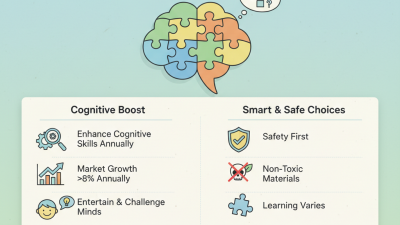
Choosing the right puzzle toys for children can be challenging. Renowned educational psychologist Dr. Emily Carter states, "Puzzle toys not only entertain but also enhance cognitive development." This highlights their significance in shaping young minds.
When selecting puzzle toys, consider your child's age and interests. Toys should match their developmental stage. A toy too complex may frustrate them. One that’s too simple might not engage their curiosity. Always observe how your child interacts with different puzzles.
Remember, not all puzzle toys are created equal. Some might be colorful and appealing but lack educational value. Approach choices with a critical eye. Prioritize quality over quantity. Each puzzle should serve a purpose, encouraging problem-solving and creativity in your child.
Understanding Puzzle Toys: Types and Benefits for Kids
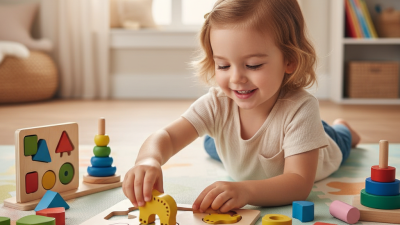
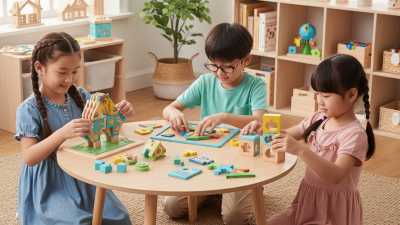
Puzzle toys are essential tools for children's development. They come in various forms, such as jigsaw puzzles, shape sorters, and building blocks. Each type offers unique benefits. For example, jigsaw puzzles improve spatial awareness. Building blocks encourage creativity and fine motor skills. These toys can keep kids engaged and help them learn while playing.
Choosing the right puzzle toys involves understanding your child's age and interests. Younger children may benefit from larger pieces that are easier to grasp. Older kids can handle more complex puzzles that challenge their problem-solving abilities. Observing how your child interacts with different toys can also offer insight. Some may prefer colorful and themed puzzles, while others enjoy classic shapes.
Not all puzzle toys are equal. Some may frustrate instead of engage. A puzzle that's too easy can become boring. Conversely, one that’s too complex may cause unnecessary stress. Striking a balance is crucial. Offering a variety of puzzles can help children explore their preferences and skills, fostering a sense of achievement when they complete them.
Factors to Consider When Choosing Puzzle Toys for Different Ages
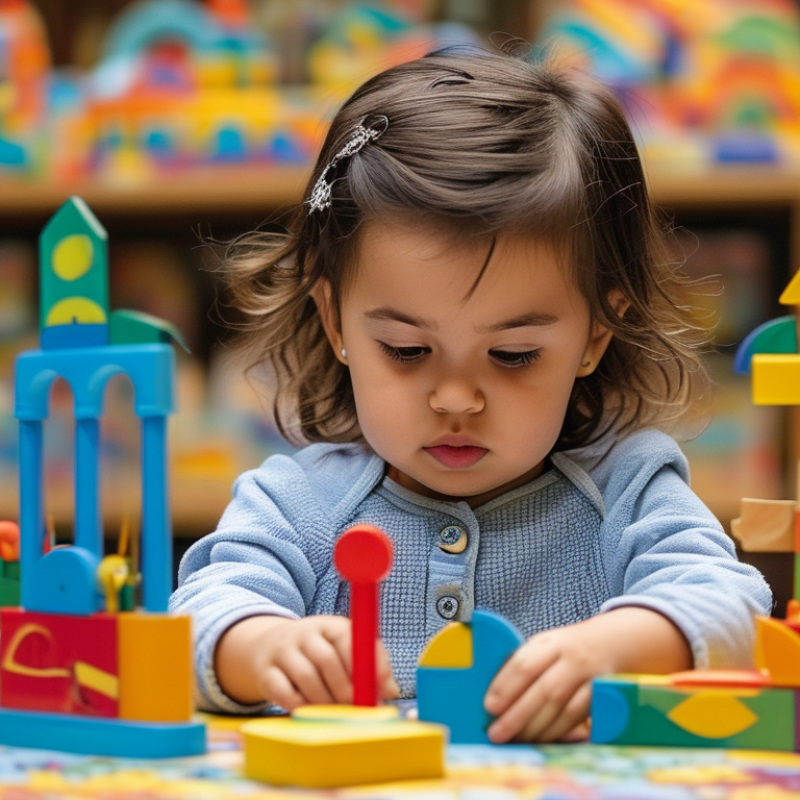
When selecting puzzle toys, age appropriateness is crucial. For toddlers, toys should enhance sensory skills and fine motor skills. Options like large, colorful wooden blocks engage young minds and are easy to manipulate. According to recent studies on child development, toys that promote problem-solving can significantly improve cognitive skills from a young age.
For preschoolers, more complex puzzles come into play. At this age, children benefit from toys that encourage critical thinking and spatial awareness. Puzzles with interlocking parts can provide a challenge while fostering creativity. Research shows that 70% of children at this stage prefer interactive toys that include both visual and tactile elements. This interaction often leads to prolonged engagement.
For older kids, the focus shifts to puzzles that offer greater cognitive challenges. These may include multi-layered jigsaw puzzles or logic-based games. Reports indicate that children aged 6 to 10 require a balance between fun and cognitive engagement. Toys that achieve this often lead to better social skills as kids collaborate or compete with peers. Parents should observe their children’s interests and play styles to ensure the toys chosen remain stimulating yet appropriate.
Evaluating Safety Features in Puzzle Toys for Children's Use
When selecting puzzle toys for children, safety features are paramount. According to the Consumer Product Safety Commission, over 200,000 toy-related injuries occur each year. Many injuries stem from inadequate safety standards. Therefore, when evaluating puzzle toys, consider the material used. Natural, non-toxic materials are ideal. Look for certifications that demonstrate adherence to safety regulations.
Tips: Always check for small parts that may pose choking hazards. Toys with sharp edges should be avoided. A thorough inspection of the product is crucial.
Labeling can be misleading. Many toys claim to be "safe", but not all live up to standards. Research independent reviews and safety ratings. The ASTM International defines strict guidelines that toys must meet. Ensuring that puzzle toys comply with these can protect your child.
Tips: Supervise playtime for younger children. Regularly inspect toys for wear and tear. Replace any damaged pieces immediately. A proactive approach can mitigate risks and safeguard your child’s play environment.
Tips for Encouraging Engagement with Puzzle Toys
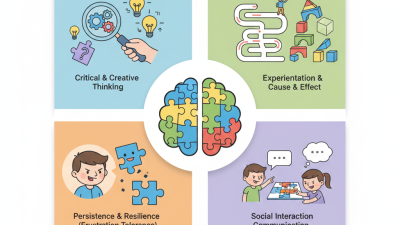
Puzzle toys can significantly enhance a child's cognitive development. According to a report by the American Psychological Association, engaging kids in problem-solving activities can improve their critical thinking skills by up to 30%. To encourage engagement, it's essential to choose age-appropriate puzzle toys that match your child's developmental stage. For instance, toddlers benefit from large, colorful pieces, while older kids may thrive on complexity.
Hands-on activities can spark curiosity. Observing your child as they tackle puzzles can uncover unique interests. Provide an environment where mistakes are seen as learning opportunities. When children struggle, offer gentle guidance instead of immediate solutions. This approach fosters resilience and promotes independent thinking.
Furthermore, setting a designated puzzle time can increase focus. A cozy space with minimal distractions allows for deeper engagement. Parents can join in to model enthusiasm. Interactive family interactions can create lasting memories. These moments support not just cognitive skills, but emotional bonding, which is equally vital in a child's growth. Engaging and encouraging your child during puzzle time not only boosts their confidence but also enriches their learning experience.
Balancing Fun and Educational Value in Puzzle Toy Selection
Choosing the best puzzle toys for children involves more than just fun. It’s essential to find a balance between enjoyment and educational value. According to research by the American Academy of Pediatrics, engaging in puzzle play can significantly enhance a child's problem-solving skills and cognitive development. When selecting toys, parents should prioritize options that promote critical thinking.
Consider toys that encourage creativity and collaboration. A well-crafted puzzle can develop spatial awareness. In fact, studies show that children who engage in puzzle activities perform 20% better in spatial skills compared to their peers. Look for puzzles that suit your child's age and ability. A complex puzzle may frustrate younger kids. Meanwhile, simpler ones might not challenge older children enough.
Tips: Observe how your kids interact with different puzzle types. Are they drawn to more visual or tactile challenges? This insight can guide your choices. Additionally, remember that some puzzles may require adult supervision, adding a bonding experience. Keep adaptability in mind; swapping puzzles occasionally keeps the excitement alive. Balancing enjoyment with educational outcomes creates a fulfilling playtime experience.