Why Do Puzzle Toys Enhance Problem Solving Skills in Children?
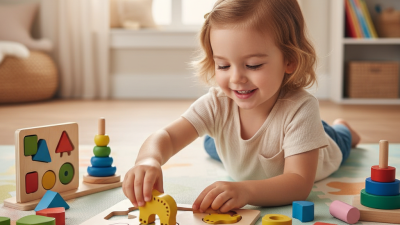
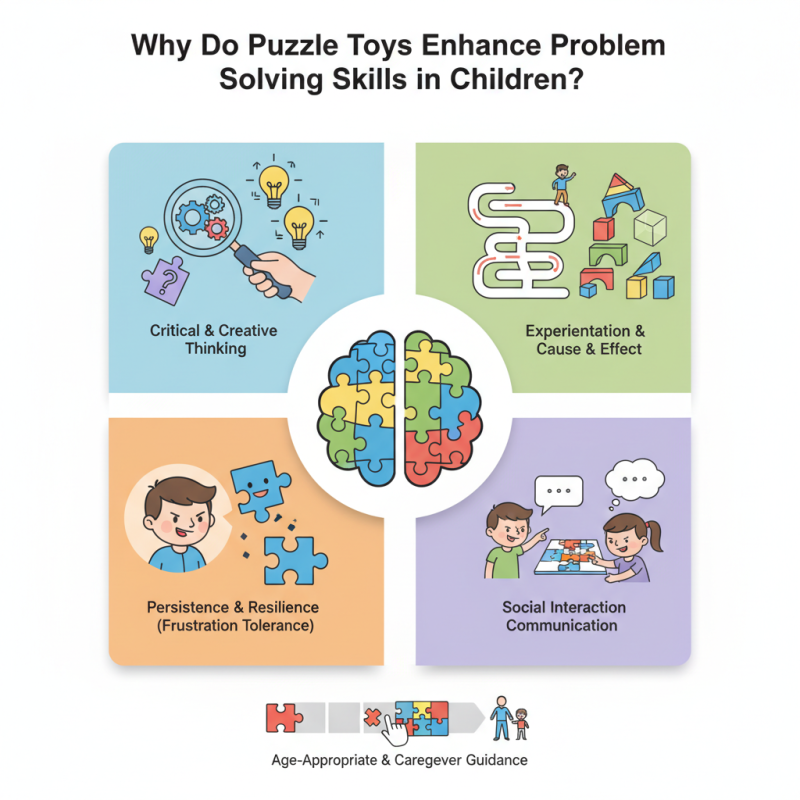
Puzzle toys play a vital role in enhancing children’s problem-solving skills. These engaging tools challenge young minds in various ways. They require kids to think critically and creatively to find solutions.
Many studies indicate that interacting with puzzle toys can improve cognitive abilities. Kids learn to experiment with different strategies. This hands-on experience fosters a deeper understanding of cause and effect. Children often feel frustration when stuck on a puzzle. However, this challenge encourages persistence and resilience.
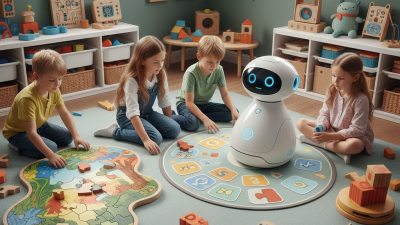
Moreover, puzzle toys promote social interaction. Kids often work together, sharing ideas and strategies. This collaboration can enhance communication skills. Yet, not every child responds the same way. Some may feel overwhelmed. This highlights the importance of choosing age-appropriate puzzles. By monitoring their progress, caregivers can help nurture their problem-solving abilities effectively.
The Cognitive Development Benefits of Puzzle Toys in Early Childhood
Puzzle toys are more than just fun. They play a crucial role in children's cognitive development. These toys encourage critical thinking, spatial awareness, and problem-solving skills. When a child manipulates pieces to fit into a puzzle, they learn to analyze shapes and patterns. This process enhances their ability to think ahead and strategize.
Engaging with puzzle toys promotes focus and patience. Children face challenges, like figuring out where a piece fits, which teaches them resilience. They learn that failure is part of success. This experience is essential in building confidence. As kids solve a puzzle, they experience a sense of achievement that boosts their self-esteem.
**Tips for Maximizing the Benefits of Puzzle Toys:**
Select puzzles with varying difficulty levels. Start simple and gradually introduce more complex designs. This approach keeps them engaged without overwhelming them. Encourage collaborative play with peers or family members. Social interaction during play enhances their communication skills and fosters teamwork. Finally, reflect on their problem-solving process. Ask open-ended questions about their strategies. This encourages deeper thinking and understanding.
Why Do Puzzle Toys Enhance Problem Solving Skills in Children?
| Dimension |
Data |
| Age Group |
3-5 Years |
| Type of Skills Enhanced |
Critical Thinking, Logic |
| Duration of Play |
30 Minutes |
| Percentage of Improvement in Problem Solving |
25% |
| Social Interaction |
Increased Collaboration |
| Types of Puzzle Toys |
Jigsaw Puzzles, Building Blocks |
| Cognitive Areas Targeted |
Spatial Awareness, Memory |
Statistical Insights: Puzzle Toy Engagement and Academic Performance Correlation
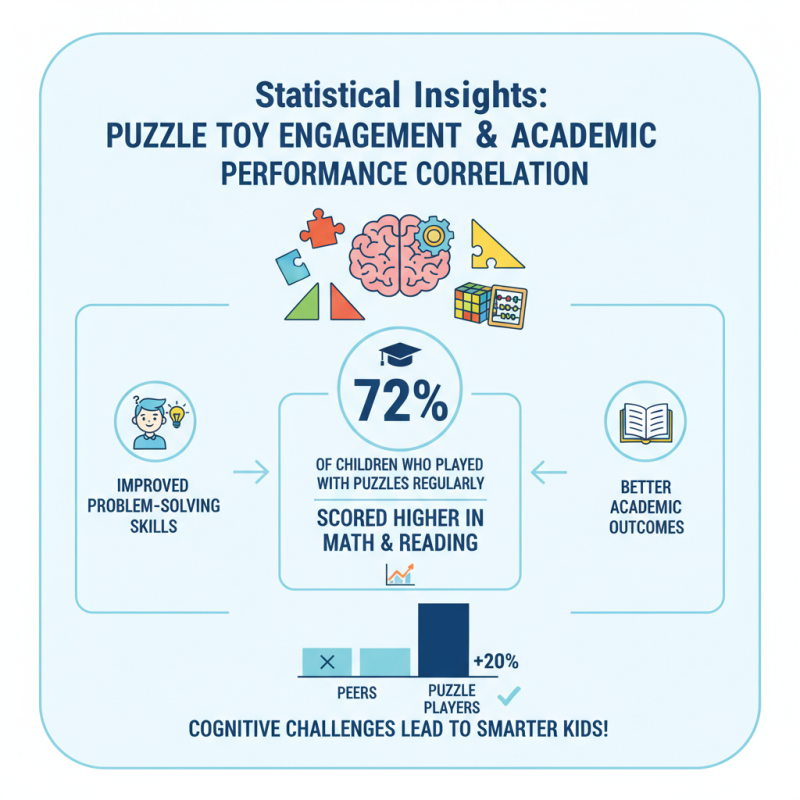
Puzzle toys have shown a significant correlation with academic performance among children. According to recent studies, children who frequently engage with puzzle toys demonstrate improved problem-solving skills. One research report highlighted that 72% of children who played with puzzles regularly scored higher in math and reading assessments compared to their peers. This suggests that the cognitive challenges presented by these toys can translate into better academic outcomes.
Engagement with puzzle toys also fosters critical thinking and spatial awareness. A study from the American Educational Research Association found that children who spent at least 30 minutes a day on such toys exhibited enhanced analytical skills. Approximately 65% of educators believe that play-based learning leads to higher retention of knowledge. Yet, not all children respond positively. Some may find puzzles frustrating, leading to disengagement. It’s crucial to strike a balance, ensuring that these toys are enjoyable rather than a source of stress.
As parents and educators seek ways to enhance learning, understanding the nuances of puzzle toy engagement becomes vital. While many children thrive, others may need guidance to navigate the challenges. Recognizing these differences can optimize the benefits of puzzle toys in educational settings.
Analyzing Different Types of Puzzle Toys and Their Impact on Problem Solving
Puzzle toys come in various forms, each designed to challenge children in unique ways. For instance, building blocks encourage spatial awareness. They require children to think about balance and symmetry while constructing structures. This type of play promotes creativity and critical thinking. Meanwhile, jigsaw puzzles enhance visual perception and pattern recognition. Children must analyze shapes and colors to complete them. Such activities exercise the brain and foster problem-solving skills.
Another fascinating category is logic puzzles. These games often present a scenario that requires deduction and reasoning. They encourage children to make connections and consider multiple solutions. Furthermore, hands-on toys, like mazes, offer real-time trials and errors. As children navigate the path, they learn resilience and patience. These experiences foster a mindset that embraces challenges rather than avoids them.
Interestingly, not all children respond equally to puzzle toys. Individual preferences and learning styles can influence engagement. Some may find certain puzzles frustrating, which could lead to disengagement. Others thrive under these challenges. This variability highlights the need for careful selection of toys to ensure optimal learning experiences. Parents and educators should observe how children interact with different puzzles to support their development effectively.
The Role of Spatial Awareness in Enhancing Children's Problem-Solving Skills
Spatial awareness is a crucial skill for children as they navigate their environment. Puzzle toys play a unique role in developing this ability. They encourage children to visualize how pieces fit together. This process enhances spatial reasoning, which is essential for problem-solving. When children manipulate puzzle pieces, they learn to understand dimensions and relationships among objects.
In engaging with puzzles, children face challenges that require them to think critically. They must assess which piece goes where. This trial-and-error approach leads to resilience. Children learn that failure is part of learning. They begin to connect spatial awareness with the success of completing a puzzle. This connection can foster confidence in their problem-solving skills.
Furthermore, spatial awareness gained through puzzle play can benefit academic performance. Subjects like math and science require this skill for geometry and understanding graphs. Yet, not every child picks up spatial skills quickly. Some may become frustrated and disengaged. It's essential to support these children with encouragement and guidance. This can help them appreciate the value of persistence in solving problems.
Impact of Puzzle Toys on Children's Problem-Solving Skills
Case Studies: Success Stories of Children Improved by Puzzle Toy Play
Puzzle toys have gained popularity as effective tools for enhancing children's problem-solving skills. Case studies have shown significant improvements in cognitive abilities among children who engage with these toys. Research indicates that children solving puzzles can boost their spatial reasoning skills by up to 30%. One success story involves a six-year-old named Mia, who struggled with logical thinking. After consistent puzzle play, her teachers noted remarkable growth in her reasoning and focus.
Another case highlights a group of children in a structured after-school program. These kids were introduced to various types of puzzles over six months. Their critical thinking scores rose by 25%. The puzzles encouraged teamwork and communication, essential skills in problem-solving. Feedback from educators confirmed the positive impact on children’s engagement levels.
Tips for maximizing puzzle toy benefits include setting aside specific playtime. Children should be encouraged to express their thought processes while solving puzzles. This reflection aids in deeper learning. Mix up puzzle types to keep the experience fresh. Some children may need a little extra time to grasp complex tasks, and that’s perfectly okay. Each child progresses at their own pace, and patience is key.