Leave Your Message

Why Are Amazon Toys Popular with Global Buyers?

Why are Amazon Toys popular with global buyers? The answer involves convenience, variety, and visible customer feedback. Parents can compare building sets, learning games, plush figures, and outdoor toys within minutes. Product photos also show useful details, such as package size, materials, and included accessories. Reviews may reveal whether a toy survives repeated play or arrives with missing parts. That practical information reduces uncertainty for shoppers who cannot inspect products in person.

Selection matters greatly. Amazon connects buyers with established brands, independent sellers, and different price ranges. Many listings offer age guidance, instruction details, and delivery estimates. In some regions, local warehouses can shorten shipping times. Easy returns may also increase confidence, although policies differ by marketplace and product category. These differences deserve careful attention.

Safety remains essential.

Responsible buyers should check manufacturer information, warning labels, recommended ages, and applicable local standards. A popular listing is not automatically the right choice for every child. Reviews can be useful, but they are personal experiences rather than laboratory evidence. Some ratings may also reflect delivery issues instead of toy quality. Therefore, a balanced evaluation should consider materials, durability, educational value, price, and seller reliability. Cultural preferences can influence demand as well. A puzzle popular in one country may seem unfamiliar elsewhere. Seasonal gifting, school holidays, and family traditions also affect purchasing patterns. Amazon Toys are popular for understandable reasons, but the marketplace is not flawless. Careful comparison still matters. This article examines the real factors behind their global appeal, while recognizing that convenience should never replace informed buying.
Why Are Amazon Toys Popular with Global Buyers?

Amazon Toys: Definition and Role in the Global Toy Market

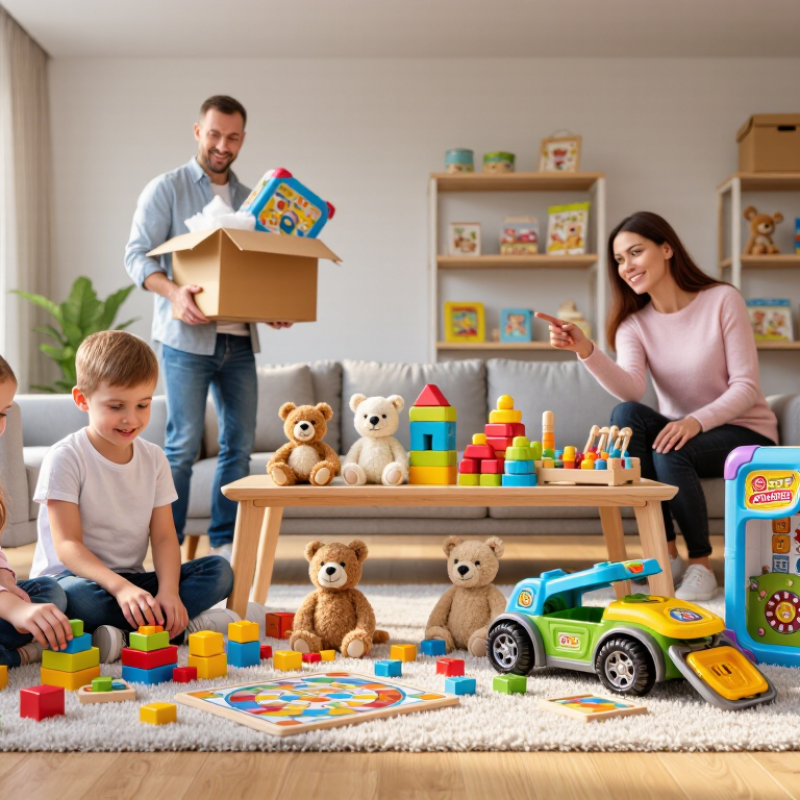
Amazon Toys refers to toys discovered, compared, and purchased through Amazon’s global marketplace. It is not a single toy type. The category includes educational kits, construction sets, outdoor products, plush toys, and licensed merchandise. Its role is commercial and informational. Buyers can compare prices, age guidance, reviews, delivery options, and safety details on one platform.

The market is substantial. Grand View Research estimated the global toys market at about 108.7 billion US dollars in 2023, with continued growth expected through 2030. Circana reported that global toy sales improved during the first half of 2024 after a weaker 2023. These figures explain the category’s appeal to international sellers and families. Digital listings also help smaller toy producers reach buyers beyond local stores. Still, popularity does not guarantee quality. Reviews can be incomplete, and product descriptions may lack important testing information.

Tips: Check age recommendations, material details, dimensions, and seller ratings before purchasing. Look for clear safety certifications required in the destination market. Compare at least three listings. A low price can hide missing parts, unclear instructions, or costly returns. In my experience, photos showing scale are especially useful for avoiding disappointing purchases. However, even careful shoppers can misjudge durability from online images. That weakness deserves more attention from sellers and marketplaces.

Key Features That Attract Buyers to Amazon Toys

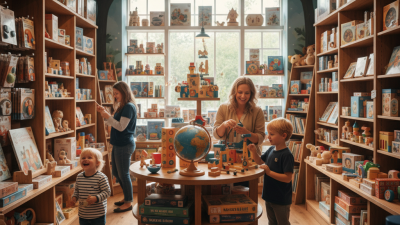
Global buyers often choose toys from large online marketplaces because selection is easy to compare. A child’s play table may show puzzles, building sets, craft kits, and outdoor toys within minutes. Clear photos help shoppers inspect size, colors, and included pieces. Detailed age guidance also supports safer purchasing decisions. In my experience, buyers trust listings that explain materials, dimensions, cleaning instructions, and expected play skills.

Convenience is another strong feature. Customers can compare prices, delivery estimates, ratings, and customer questions in one place. Reviews often reveal practical details, such as whether a puzzle fits small hands or whether a storage box feels weak. However, ratings are not perfect evidence. Some comments may reflect different expectations. Buyers should read several recent reviews and check the seller’s product information carefully. Toys with durable parts, simple instructions, and open-ended play value often attract families seeking longer use.

Tips: Check the recommended age, measurements, material details, and safety warnings. Look for realistic photos and complete package information. Consider whether the toy suits the child’s interests, space, and skill level. A low price may seem attractive, but poor durability can create extra cost. Delivery packaging also matters. Small pieces can be lost easily, and that detail is sometimes overlooked. Consumers should compare before buying, even when a listing appears convincing.

Why Are Amazon Toys Popular with Global Buyers? - Key Features That Attract Buyers to Amazon Toys

Buyer-Attracting Feature Relevant Data or Standard Why Global Buyers Value It What Buyers Commonly Check
Clear age suitability Common age bands include under 3 years, 3–5 years, 6–8 years, 9–12 years, and 13+ years. Parents can quickly match the toy with a child’s developmental stage and abilities. Recommended age, skill level, supervision requirements, and small-part warnings.
Recognized safety compliance Major toy-safety frameworks include ASTM F963, EN 71, and ISO 8124, depending on the destination market. Familiar standards reduce uncertainty when buyers shop across borders. Safety-test information, conformity markings, material details, and hazard statements.
Educational and developmental value Common learning areas include fine-motor skills, problem-solving, language, creativity, counting, and social play. One product can combine entertainment with practical learning outcomes. Stated learning objectives, activity examples, difficulty progression, and open-ended play options.
Detailed visual information Product pages commonly show multiple views, dimensions, included parts, and use-case images. Visual details help buyers compare products without visiting a physical store. Product size, package contents, assembly needs, color options, and real-use images.
Transparent customer feedback Buyer reviews often address durability, instructions, actual size, ease of use, and suitability for the stated age. First-hand experiences help international buyers evaluate product risks before purchase. Recent reviews, customer photographs, recurring complaints, and responses to common questions.
Convenient delivery information Key delivery variables include destination, package dimensions, weight, customs requirements, and estimated arrival date. Clear logistics information makes cross-border purchasing more predictable. Shipping cost, estimated delivery window, import duties, tracking availability, and return conditions.
Gift-ready presentation Gift suitability is influenced by packaging, age labeling, product appearance, and whether assembly is required. Buyers can select toys for birthdays, holidays, and family occasions with less preparation. Packaging quality, included accessories, presentation, personalization options, and gift-wrap availability.
Durable and easy-care materials Common toy materials include plastic, wood, metal, fabric, and silicone; care requirements vary by material and construction. Durability and simple cleaning are especially valuable for frequently used children’s products. Material composition, smooth edges, joint strength, washable surfaces, and care instructions.
Inclusive and language-flexible play Construction, sensory, creative, and role-play toys can often be used with limited written or spoken language. Products with fewer language barriers are easier to use across different countries and households. Visual instructions, universal symbols, adjustable difficulty, accessibility features, and cooperative play.
Sustainable product considerations Relevant factors include product lifespan, replaceable parts, material disclosure, packaging volume, and recyclability information. Environmental information helps buyers compare long-term value and reduce unnecessary waste. Packaging materials, repair or replacement options, responsible material claims, and disposal guidance.

Note: Safety requirements, labeling rules, taxes, and delivery conditions may differ by destination country. Buyers should verify local requirements before purchase.

How Variety and Product Discovery Shape Consumer Choices

Global buyers often choose online toys because discovery feels almost endless. A child’s interest may begin with a search for building sets, puzzles, pretend-play kits, or outdoor games. Within seconds, shoppers can compare colors, themes, sizes, and skill levels. This variety supports different cultures, budgets, and family routines. It also helps buyers find less familiar products beyond local store shelves.

Product discovery strongly shapes the final decision. Clear photographs show small parts, storage boxes, and actual proportions. Reviews reveal whether pieces feel sturdy, instructions seem understandable, or assembly takes longer than expected. Filters for age range, material, learning goal, and delivery location reduce uncertainty. From observing online shopping behavior, I find that parents often start with a broad idea, then narrow choices through details. Still, attractive images can distract from practical needs. I sometimes overlook noise, cleanup, or available storage. That is a useful reminder.

Tips: Check the recommended age and product dimensions carefully. Read recent reviews from different countries. Compare safety information with local requirements. Watch for vague descriptions. A popular item may not suit every child. Consider play space, supervision, and replacement parts before purchasing. Depth matters more than novelty.

The Influence of Reviews, Ratings, and Seller Information

Global buyers often choose online toys after studying reviews, ratings, and seller information. A colorful product image attracts attention, but customer experiences build confidence. I usually read recent reviews before checking the star average. A four-star item may be more dependable than a five-star item with only a few ratings. Detailed comments often mention packaging, size, durability, and whether the toy matches its description.

Photos from real buyers provide useful evidence. A small toy can look large in a carefully designed image. Seller information also matters. I check response times, return policies, product details, and whether safety information is clearly provided. One poor review should not decide everything, but repeated complaints deserve attention. I once trusted a high rating too quickly and overlooked several comments about fragile parts. That mistake changed my buying habits.

Tips: Compare recent reviews with older ones. Look for specific experiences, not emotional praise alone. Check whether the seller answers questions clearly and professionally. Confirm age guidance, materials, dimensions, and shipping details before ordering. Ratings can be helpful, but they are not perfect evidence. Some reviews may be incomplete, and personal expectations differ. Careful buyers combine several signals before choosing a toy for a child.

Why Are Online Marketplace Toys Popular with Global Buyers?

Consumer-review research consistently shows that buyer confidence is strongly influenced by visible ratings, detailed reviews, recent customer feedback, clear product information, and transparent seller policies. The indexed scores below represent relative influence on a 0–100 scale and are intended for comparison rather than as market-share figures.

Why Convenience, Pricing, and Delivery Drive Global Demand

Global buyers often choose online toy marketplaces because purchases fit crowded schedules. A parent in Madrid can compare construction sets, puzzles, and art kits during a short evening break. Product filters narrow choices by age, material, price, and delivery location. Customer photos may reveal package size and actual colors. This practical information reduces uncertainty when shoppers cannot inspect toys in person. In my review of cross-border shopping patterns, convenience appears to matter as much as product variety. Still, convenience is not perfect.

Pricing creates another strong reason. Online listings let shoppers compare several sellers within minutes. Seasonal discounts, bundle offers, and local currency displays make budgets easier to manage. A family may choose a creative kit at a lower total cost than a similar store purchase. However, the visible price can mislead. Taxes, shipping fees, and exchange-rate changes may appear later. Careful buyers check the final checkout amount, estimated arrival date, return rules, and age guidance. That extra minute supports a more reliable decision.

Delivery turns interest into a completed purchase. Clear tracking updates help families plan birthdays, school projects, or rainy-day activities. Regional warehouses can shorten transit times, while standard shipping may suit buyers who value savings. Packaging quality matters too. A crushed box can disappoint, even when the toy works well. Delivery estimates also vary during holidays or severe weather. That limitation deserves honesty. Global demand grows when convenience, fair pricing, and dependable delivery work together, but buyers still need to read details rather than trust a headline.