2026 Top Stationery Trends for Global Buyers to Explore?
In the fast-evolving world of stationery, trends constantly shift. Experts like Emma Harris, a seasoned stationery designer, observe, “The stationery market reflects broader lifestyle changes.” As we head towards 2026, it becomes crucial for global buyers to recognize these emerging trends.
Unique designs and sustainability are top priorities. Many consumers are seeking eco-friendly options. Innovative materials and recycled products are in high demand. The push for minimalism continues to influence product aesthetics. Buyers should consider how neutral colors and simple patterns attract attention.
Stationery is more than functional tools; it's a personal expression. With remote work and digital communication rising, traditional stationery has seen a resurgence. However, some brands still struggle to adapt. They face challenges keeping up with consumer desires. It's essential for industry players to reflect on their strategies and embrace the changes unfolding in the global stationery market.
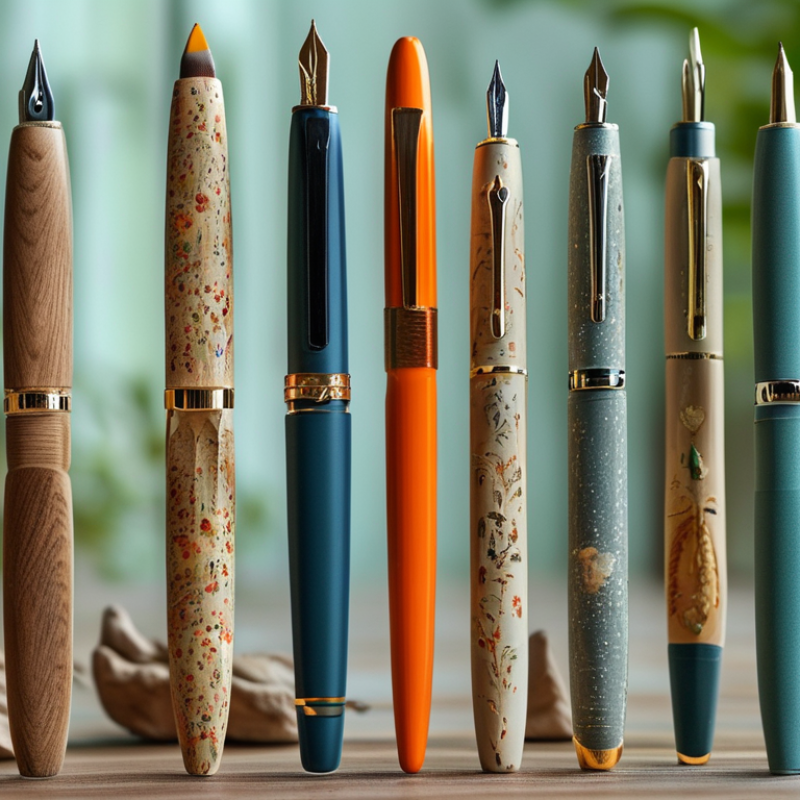
2026 Stationery Market Overview for Global Buyers
As the stationery market continues to evolve, global buyers must pay attention to emerging trends for 2026. The market shows a growing interest in eco-friendly products. Consumers are increasingly looking for sustainable materials like recycled paper and plant-based inks. This shift reflects a broader commitment to environmental responsibility.
Another trend to watch is the rise of digital stationery products. Apps that mimic the experience of writing with traditional tools are gaining popularity. Buyers seeking innovative offerings can explore hybrid products that combine digital and physical elements. These can cater to a tech-savvy customer base while maintaining the charm of traditional stationery.
To maximize your market insights, consider these tips. Engage with local stationery communities to understand regional preferences. Attend trade shows to witness new designs firsthand. Establish reliable supplier relationships to ensure the quality of your inventory. By doing so, you position yourself as a knowledgeable player in this dynamic market.
Emerging Trends in Eco-Friendly Stationery Products
The demand for eco-friendly stationery products is soaring. Reports indicate that the global eco-friendly stationery market is projected to reach $120 billion by 2026, driven by consumer awareness and sustainability concerns. Many buyers seek innovative products that minimize environmental impact. This creates a unique opportunity for suppliers.
Biodegradable materials and recycled paper are at the forefront of this trend. Many eco-conscious consumers prefer products made from sustainable resources. A survey revealed that 68% of respondents are willing to pay more for environmentally friendly options. Brands that highlight their green credentials can capture significant market share.
However, there are challenges in sourcing materials that genuinely adhere to sustainability principles. Some products labeled as eco-friendly may not fully meet the criteria. Transparency in supply chains remains a concern. Buyers must be critical and do their research to ensure the products they choose truly align with eco-conscious values. This careful selection process can foster more responsible consumption in the stationery industry.
Innovative Designs and Aesthetics in 2026 Stationery
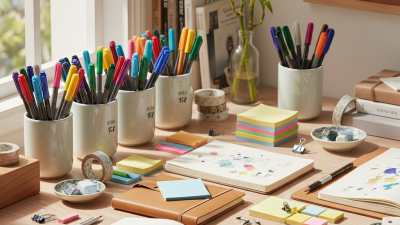
The stationery trends of 2026 reveal a fascinating fusion of innovative designs and aesthetics. Buyers are increasingly drawn to eco-friendly materials that reflect a commitment to sustainability. Imagine a notebook crafted from recycled paper, featuring vibrant, hand-drawn illustrations. This blend of eco-consciousness and artistic expression captures the essence of modern stationery.
Additionally, personalized stationery options are gaining popularity. Customizable designs allow users to infuse their personality into everyday items. This trend emphasizes individuality while maintaining a professional appearance. Think of planners adorned with unique motifs that tell a story, bridging everyday functionality with art. However, there's a risk of overwhelming consumers with too many choices. Finding a balance between uniqueness and usability can be challenging.
The color palette for 2026 leans towards softer pastels and earthy tones, evoking a sense of calm. Yet, bold accents in products like pens and highlighters add a playful touch. The contrast of soft and vibrant colors can create visual harmony. However, the overuse of these elements can lead to cluttered aesthetics, distracting from the stationery's purpose. As trends evolve, the challenge lies in creating designs that are both innovative and practical.
Digital vs. Traditional Stationery: What Buyers Need to Know
As the stationery market evolves, buyers face a crucial decision: digital versus traditional. Digital stationery offers convenience and endless customization. Apps and software allow users to create unique designs. However, many traditionalists argue that the tactile experience of physical stationery cannot be replaced. The texture of paper, the weight of a pen—these elements evoke emotion. For many, there is an intrinsic value in handwritten notes that technology cannot replicate.
Buyers should consider their target audience when choosing between these two paths. Younger generations may lean towards digital solutions, drawn by efficiency. In contrast, older consumers might appreciate the charm of traditional stationery. This discrepancy poses a challenge: finding a balance between innovative tools and timeless designs.
While digital options often seem superior, there are setbacks. Not everyone has access to the latest technology. Some may find digital formats overwhelming. On the flip side, traditional stationery can be limiting. Certain styles may not appeal to a tech-savvy crowd. Understanding these nuances is essential for making informed decisions in the ever-changing landscape of stationery trends.
Key Manufacturers and Brands to Watch in 2026
As 2026 approaches, the stationery market is experiencing transformative changes. Buyers should pay attention to emerging manufacturers that focus on eco-friendly products. Sustainable materials are gaining traction. Brands that prioritize reducing waste and promoting recycling are setting a new standard. This shift is not just a trend; it is becoming a necessity in today’s market.
New brands are also innovating with multifunctional stationery items. For instance, planners with integrated digital features are becoming popular. They cater to a tech-savvy audience looking for organization. The demand for personalized stationery is rising, too. Customized designs and unique materials are what buyers seek.
However, not all companies adapt well to these shifts. Some struggle to balance tradition with innovation. It's important for buyers to evaluate reliability and product quality. Keeping an eye on manufacturers who blend creativity with functionality is essential. Looking ahead, the focus on sustainability and innovation will shape the stationery landscape, but reflections on these trends will help buyers make informed choices.
2026 Top Stationery Trends for Global Buyers to Explore
| Trend |
Description |
Target Audience |
Market Potential |
| Eco-Friendly Materials |
Increased demand for sustainable products, using recycled and biodegradable materials. |
Environmentally conscious consumers |
High |
| Tech-Integrated Stationery |
Products that combine traditional stationery with digital technology. |
Students and professionals |
Medium |
| Minimalist Design |
Focus on simplicity and functionality in product design. |
Young professionals |
High |
| Personalized Products |
Customization options for a personal touch, including name engravings. |
Gift buyers |
High |
| Artistic Supplies |
Enhanced focus on quality artistic supplies for creativity. |
Artists and hobbyists |
Medium to high |