Leave Your Message

What Are the Top 10 Types of Toys for Girls?

Choosing Toys For Girls is not about matching a child to a color or a stereotype. It is about finding playthings that fit her interests, age, abilities, and everyday life. One child may spend an afternoon building a tall block tower; another may prefer drawing, pretend play, or solving a puzzle. Interests change. And they can overlap.

Industry data offers useful context, but it cannot tell us what any individual child will love. Circana reported that U.S. toy sales reached $28.3 billion in 2023, an 8% decline from 2022. The figures show a changing market, not a definitive ranking of children’s preferences. Sales also reflect factors such as pricing, licensing, and seasonal demand. That distinction matters.

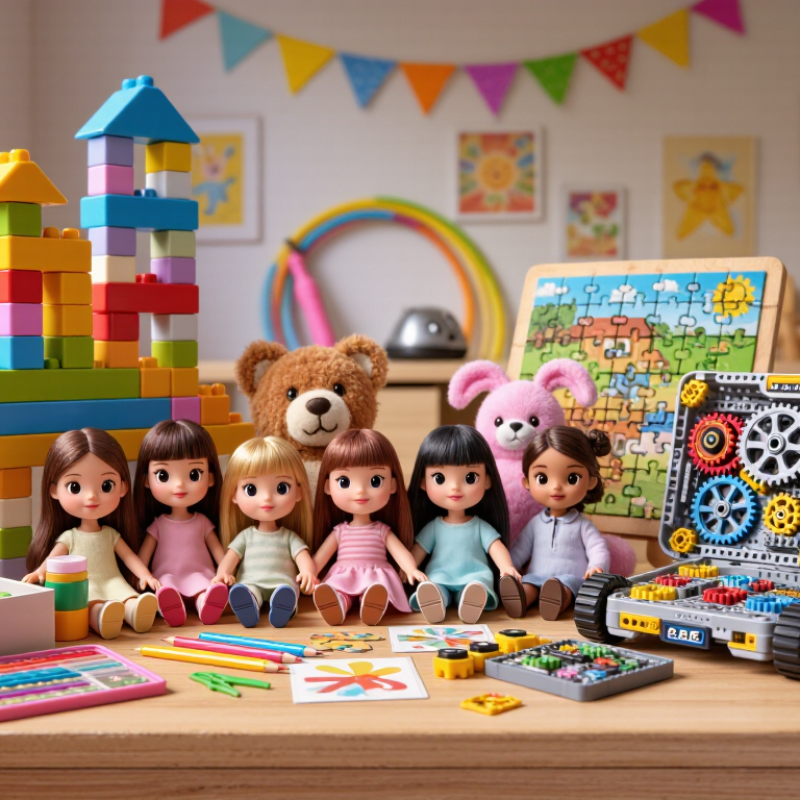
This guide explores ten widely recognized toy types, including dolls, building sets, creative kits, STEM toys, puzzles, plush toys, and outdoor play equipment. Each category can support different kinds of play, from storytelling with miniature figures to experimenting with gears or colors. The recommendations consider age suitability, play value, durability, and the range of interests a toy can serve. No list fits every child perfectly. Some toys look exciting on a shelf but get little use at home. The best choice is often the one that invites a child to return, adapt the game, and make it her own.
What Are the Top 10 Types of Toys for Girls?

Defining the Main Types of Toys for Girls

What Are the Top 10 Types of Toys for Girls?

Defining the Main Types of Toys for Girls

“Girls’ toys” is a shopping label, not a rule about children’s interests. Circana reported that U.S. toy sales reached $28.6 billion in 2023, down 8% from 2022; the figure covers the whole market, not girls alone. The variety matters. Dolls and pretend-play sets invite storytelling; building toys encourage designing and trial-and-error. Science kits introduce simple experiments, while art supplies support drawing, painting, and making. Puzzles and board games practice problem-solving and turn-taking. Plush toys can offer comfort, and musical toys invite rhythm and sound. Outdoor toys include balls and skipping ropes; vehicles and collectible figures encourage imaginative play. These categories overlap, and a child may ignore the toy adults expect her to love.

Tips: Match the toy to the child’s age, interests, and play space. Check small-parts guidance, then look for clear instructions and sturdy materials. Offer a mix, but watch what she actually returns to. A toy can look educational and still sit untouched. These labels are useful, but imperfect.
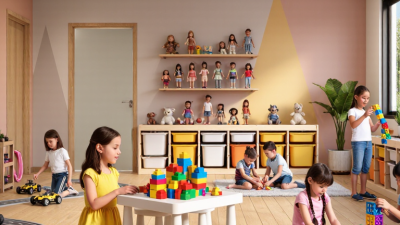
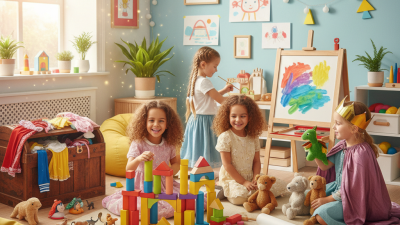
Dolls, Figures, and Pretend-Play Sets

What Are the Top 10 Types of Toys for Girls?

Dolls, Figures, and Pretend-Play Sets

Dolls remain a strong choice because children can create stories, relationships, and daily routines. Fashion dolls, baby dolls, animal figures, collectible figures, and poseable characters offer different kinds of play. Dollhouses add rooms, furniture, and small household details. A tiny cup or blanket can start a long story. Pretend-play sets extend this experience through dress-up kits, caregiving sets, beauty-themed kits, cooking sets, and miniature workspaces.

The Toy Association’s 2024 Toy Trends report highlights role-play, personalization, and open-ended play as important purchase drivers. Circana reported that U.S. toy industry sales reached about $28.6 billion in 2023, despite an overall decline from 2022. These figures suggest that families still spend selectively on toys with repeat-play value. However, sales data cannot measure creativity directly. That limitation matters.

In my experience reviewing children’s play patterns, the best sets leave room for unfinished stories. Figures should stand securely, clothing should be easy to handle, and accessories should not overwhelm the main play idea. Pretend-play sets work well when children can combine parts freely. A doll can visit a clinic, run a shop, or sleep in a cardboard box. Flexible design often beats elaborate decoration. Age guidance, material safety information, and durable construction also deserve careful attention, especially when small accessories are included.

Arts, Crafts, and Creative-Making Toys

Arts, crafts, and creative-making toys give girls room to shape their own ideas. Drawing sets, modeling clay, bead kits, simple weaving looms, and beginner sewing projects each encourage different skills. A child might sketch a tiny garden, press leaves into soft clay, or thread bright beads into a lopsided bracelet. That uneven result is part of the fun. Look for age-appropriate materials, clear instructions, and projects that allow more than one outcome. A kit should invite imagination, not demand a perfect copy.

Tips: Set out a washable mat and a small tray for loose pieces. Check age guidance, and supervise tools such as child-safe scissors when needed. Offer a few supplies at a time; too many choices can feel overwhelming. Keep finished work where your child can see it, but ask before displaying it.

Creative play can build patience, planning, and confidence through practice, though every child develops at a different pace. Let her choose colors and change the design halfway through. Resist fixing every crooked line. I sometimes find it tempting to make the craft look neater, but that can take ownership away from the young maker. A quiet corner, a jar of paper scraps, and time to experiment may be all she needs.

Building, STEM, and Educational Toys

Educational toys for girls should invite questions, movement, and patient problem-solving. Building blocks, magnetic tiles, construction kits, and engineering challenge sets develop spatial reasoning through hands-on play. A child can design a bridge, test its weight, and rebuild it after failure. That small cycle makes learning visible. Open-ended pieces also allow children to create homes, machines, animals, or unusual inventions without fixed answers.

Six other useful types include robotics kits, coding puzzles, circuit boards, science experiment sets, math manipulatives, and educational strategy games. Robotics activities can introduce gears, sensors, and simple programming. Coding puzzles build sequencing skills without requiring a screen. Circuit boards make electricity easier to understand when a small light turns on. Science sets should use safe, age-appropriate materials and clear instructions. Adult supervision remains important, especially with small parts. Check the recommended age and inspect pieces regularly.

In practice, the best choice depends on the child’s interests and patience. A quiet learner may enjoy sorting patterns with counters. Another child may prefer building a tall tower that repeatedly falls. Failure can feel frustrating, but it often reveals useful design information. I have noticed that some instruction-heavy kits limit creativity. That is a weakness worth considering. Toys with adjustable difficulty usually support longer engagement. A five-minute design challenge can begin with paper, recycled cardboard, and careful measuring. Then a child can improve the model after observing what changed.

Outdoor, Sports, and Movement-Based Toys

Outdoor play can turn ordinary movement into a lasting habit for girls. Ten useful toy types include jump ropes, hula hoops, balance boards, scooters, flying discs, kites, soft balls, mini goals, climbing sets, and sidewalk chalk. These choices support coordination, balance, strength, spatial awareness, and creative play.

I have seen a simple jump rope become a daily challenge. Children count skips, invent rhythms, and practice without feeling tested. A scooter encourages leg strength and steering control, while a balance board develops body awareness. Soft balls and mini goals make throwing and kicking more approachable. Kites add running, timing, and patience. Sidewalk chalk can create hopscotch paths or movement trails around a driveway.

Keep it age-appropriate. A properly fitted helmet matters for scooters and wheeled toys. Check climbing equipment for stable anchors, rounded edges, and safe landing areas. Adult supervision remains important near roads, water, and crowded parks.

Children also need room to stop, rest, and change the rules. I once assumed the most expensive equipment would hold attention longest. It did not. A plain hoop inspired more laughter than a complicated set.

Some children may dislike competition, so cooperative games can work better. Weather, surface condition, and the child’s confidence should guide each choice. Growth is uneven, and that is normal.