How to Choose the Best Puzzle Toys for Your Child's Development?
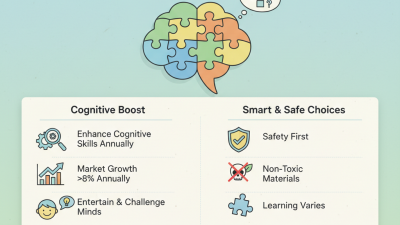
Choosing the right puzzle toys for your child can significantly impact their development. Recent studies suggest that engaging puzzle toys can enhance problem-solving skills and improve cognitive abilities. According to the American Academy of Pediatrics, children need play that stimulates mental growth. Puzzle toys encourage this play.
These toys provide sensory experiences that are crucial for young minds. They engage fine motor skills, spatial awareness, and critical thinking. Reports indicate that children who frequently play with puzzle toys show better performance in mathematics and reasoning. Such toys are not just fun but a gateway to essential learning.
However, it's vital to avoid overwhelming your child with complexity. The right balance is crucial. Some puzzle toys might frustrate instead of engage, leading to a disconnect. Reflecting on your child’s individual interests is important when selecting toys. Focus on their age and skill level to ensure the experience is beneficial, not burdensome.
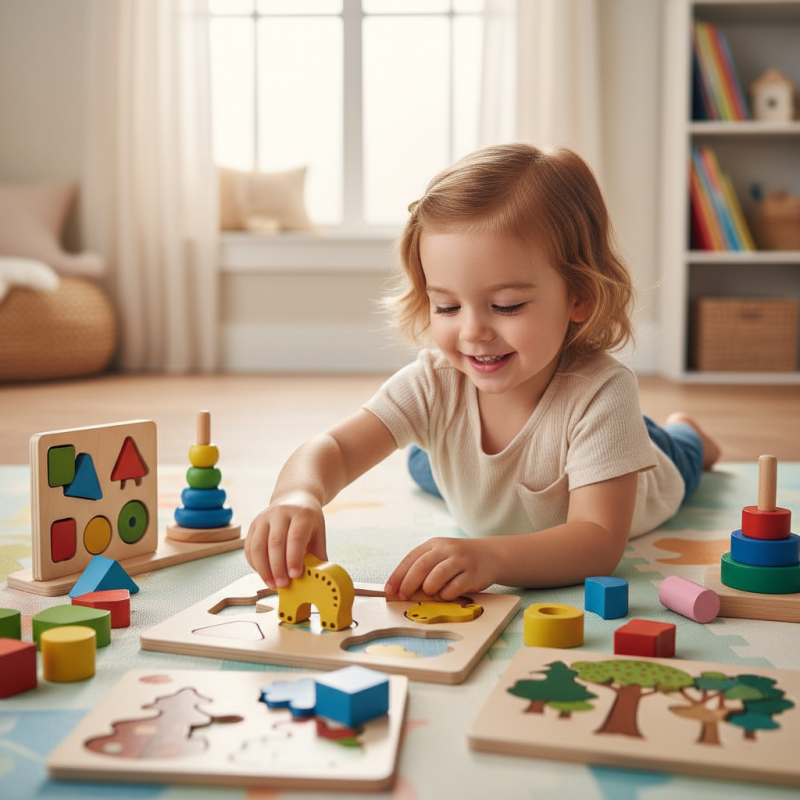
Understanding the Importance of Puzzle Toys in Child Development
Puzzle toys are more than just fun. They play a crucial role in child development. Research shows that engaging with puzzles can improve cognitive skills, such as problem-solving and spatial awareness. According to a 2021 study published in the Journal of Child Development, children who regularly play with puzzles score higher on spatial reasoning tests. This suggests that these toys can enhance critical thinking abilities.
Tips: Choose puzzles that match your child's age and skill level. Start with simple shapes for younger children. Gradually introduce more complex designs as they progress. This not only keeps them engaged but also encourages them to take on challenges.
Puzzle play also fosters patience and perseverance. Kids often get frustrated when pieces don’t fit. This is normal and offers valuable lessons in resilience. A 2022 report by the International Journal of Early Childhood Education highlighted that children who face challenges in play exhibit improved emotional regulation. Parents should allow children to work through these struggles instead of stepping in too quickly.
Tips: Encourage open-ended play. Let your child explore different ways to fit pieces together. This promotes creativity and innovation. Celebrate their efforts, not just the outcomes. The process of engaging with puzzles is where the real growth happens.
Key Factors to Consider When Selecting Puzzle Toys
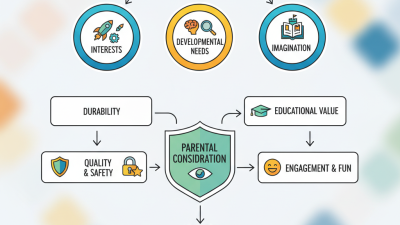
When selecting puzzle toys for your child's development, consider key factors like age appropriateness, safety, and cognitive benefits. According to a report by the American Academy of Pediatrics, toys that challenge a child's problem-solving skills play a crucial role in cognitive development. Choose puzzles with varying difficulty levels to keep them engaged while promoting critical thinking.
Safety is paramount. Toys should be free from sharp edges and small parts that pose choking hazards. The Consumer Product Safety Commission emphasizes that nearly 20,000 children visit the ER annually due to toy-related injuries. Investing in high-quality materials can prevent risks and enhance the learning experience.
Moreover, observe your child's interests. A puzzle that aligns with their favorite themes can enhance engagement. Research shows that children are more likely to engage with toys that reflect their passions. While it’s crucial to choose educational toys, don’t shy away from less structured options that spark creativity. Sometimes, the best learning occurs through play, even if it seems messy or unstructured.
How to Choose the Best Puzzle Toys for Your Child's Development? - Key Factors to Consider When Selecting Puzzle Toys
| Key Factor |
Description |
Recommended Age |
Benefits |
| Material Quality |
Choose non-toxic and durable materials for safety and longevity. |
1 year+ |
Ensures safety; encourages sensory exploration. |
| Complexity Level |
Select the right difficulty to challenge without frustrating the child. |
2 years+ |
Promotes problem-solving skills; builds confidence. |
| Size and Pieces |
Consider size of pieces to prevent choking hazards. |
1 year+ |
Enhances fine motor skills; safe for young children. |
| Educational Value |
Look for puzzles that teach numbers, letters, or shapes. |
3 years+ |
Supports cognitive development; enhances learning. |
| Aesthetic Appeal |
Visually appealing designs can engage children more. |
All ages |
Encourages play; increases interest in learning. |
Age-Appropriate Puzzle Toys for Different Stages of Development
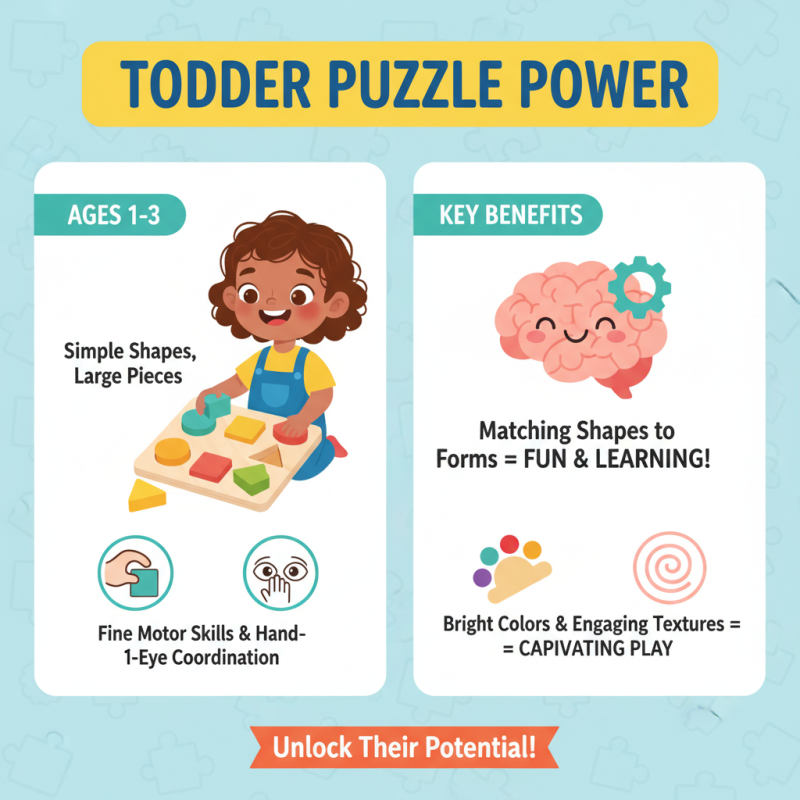
Choosing the right puzzle toys can significantly impact your child's development at different stages. For toddlers, simple shapes and large pieces are ideal. They encourage fine motor skills and hand-eye coordination. Toys that require matching shapes to forms can be both fun and educational. Bright colors and engaging textures can capture their attention, making playtime enjoyable.
As children grow, their cognitive abilities expand. Preschoolers benefit from more complex puzzles. These might include multi-piece designs with themes like animals or vehicles. Such puzzles challenge their problem-solving skills. They also teach patience and persistence, skills that are vital in everyday life. Small pieces can be frustrating at times. Parents should be ready to step in and guide when needed.
For older kids, consider puzzles with added layers of difficulty. Such puzzles can include logic-based challenges or those that require strategic thinking. These toys not only promote critical thinking but also foster creativity. However, balance is essential. Too much complexity can lead to discouragement. It’s important to observe and adjust the puzzle difficulty to match your child’s evolving skills.
Materials and Safety Considerations for Puzzle Toys
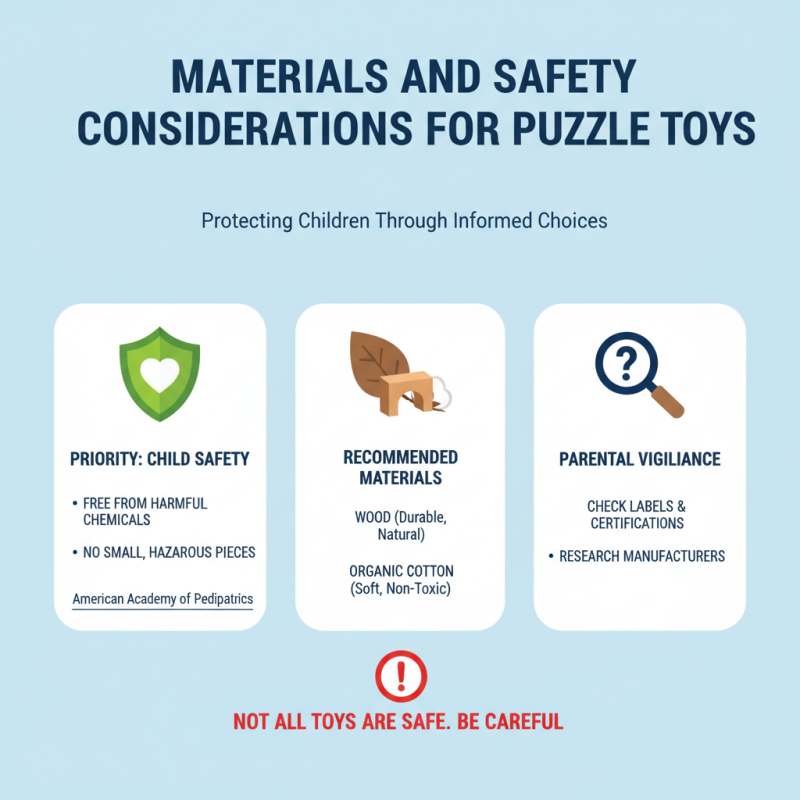
When choosing puzzle toys for children, materials and safety play a crucial role. According to a report by the American Academy of Pediatrics, children’s toys must be free from harmful chemicals. Materials like wood and organic cotton are often recommended. These materials are durable and less likely to break into small, hazardous pieces. Unfortunately, not all manufacturers adhere to these safety standards. Parents should be vigilant.
Plastic puzzles can present risks too. Some plastics contain phthalates and BPA, which may disrupt hormonal development. Research indicates that children exposed to these chemicals can have future health issues. Opting for non-toxic, water-based paints is also wise. Many puzzle toys are painted with vibrant colors, but not all use safe methods.
It’s essential to check for certifications. Look for labels indicating that products meet safety norms like ASTM or EN71. These seals suggest that the toys have undergone rigorous safety tests. However, not every toy on the market carries these marks. Inconsistent quality across brands can lead to oversight, putting children at risk. Reflecting on these factors can help make informed decisions.
Incorporating Puzzle Toys into Daily Playtime Activities
Incorporating puzzle toys into daily playtime activities can greatly enhance your child's cognitive development. Children naturally enjoy challenges, and puzzle toys are a fantastic way to sharpen their problem-solving skills. Start by introducing a variety of puzzle types. Simple shape sorters may be ideal for younger kids. As they grow, gradually increase the complexity of the puzzles. This keeps them engaged and motivated.
Tips: Choose puzzles that relate to your child's interests. If they love animals, opt for animal-themed puzzles. Create a routine that includes puzzle time during the day. This could be in the morning or before bed. Consistency helps your child to develop a love for these activities.
Balance is important too. Sometimes, puzzles can lead to frustration. Watch your child’s demeanor while playing. If they seem overwhelmed, it may be helpful to step back. Offer assistance or take a break when needed. Remember, the goal is learning and having fun, not just completing the puzzle. Let them explore at their own pace, allowing room for mistakes and discoveries.