Why Choose Educational Toys for Your Child's Development?
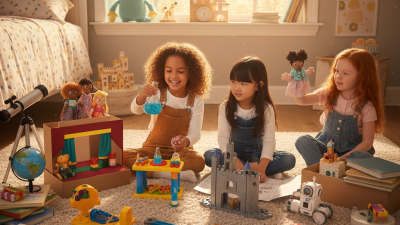
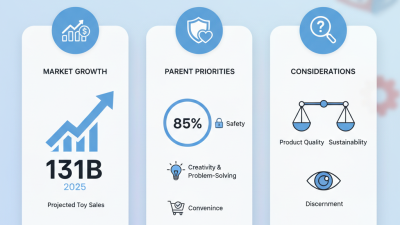
In recent years, the importance of Educational Toys in child development has gained significant attention. According to a report by the Toy Industry Association, 90% of parents believe that learning through play is crucial for their child's early years. These toys are designed to engage young minds and inspire creativity, which can enhance cognitive and social skills.
Dr. Emily Janice, a prominent expert in child development, states, "Educational Toys serve as a vital tool in fostering a child's growth." Her research shows that interactive play promotes problem-solving abilities and communication skills. However, not all toys labeled as "educational" deliver on their promises. Parents must be discerning and invest in toys that offer real developmental benefits.
While many options exist, choosing the right Educational Toys can be overwhelming. Brands often use appealing marketing tactics that may not reflect actual educational value. It’s essential to evaluate toys based on their long-term impact on a child's skills. With informed choices, parents can ensure their children are supported in their developmental journey.
Benefits of Educational Toys for Cognitive Development
Educational toys play a crucial role in a child's cognitive development. These toys engage young minds, promoting skills like problem-solving and critical thinking. For instance, puzzles encourage children to think strategically as they piece together shapes. Such activities enhance hand-eye coordination, allowing for better spatial awareness. When kids manipulate objects, they learn cause and effect, understanding how their actions lead to outcomes.
Interactive games that require teamwork can build social skills too. Children learn to communicate and collaborate, making these experiences invaluable. However, not all toys stimulate creativity. Some products may just distract rather than educate. Parents need to choose wisely, ensuring toys encourage exploration and creativity.
While many educational toys claim to boost learning, effectiveness can vary. It’s essential to research and select items that truly foster development. Some toys may not meet expectations, leading to frustration. The best choice is one that can adapt as a child grows, offering new challenges. Engaging toys should be varied, keeping children interested and eager to learn.
Fostering Creativity and Imagination with Play
Choosing educational toys for your child's development is crucial. These toys can enhance creativity and imagination. According to the American Academy of Pediatrics, play is essential for healthy brain development. Engaging in play allows children to explore, experiment, and express themselves.
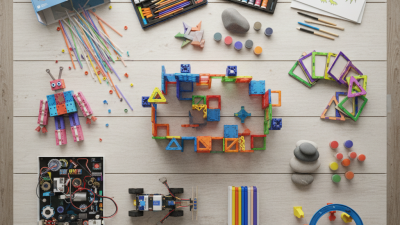
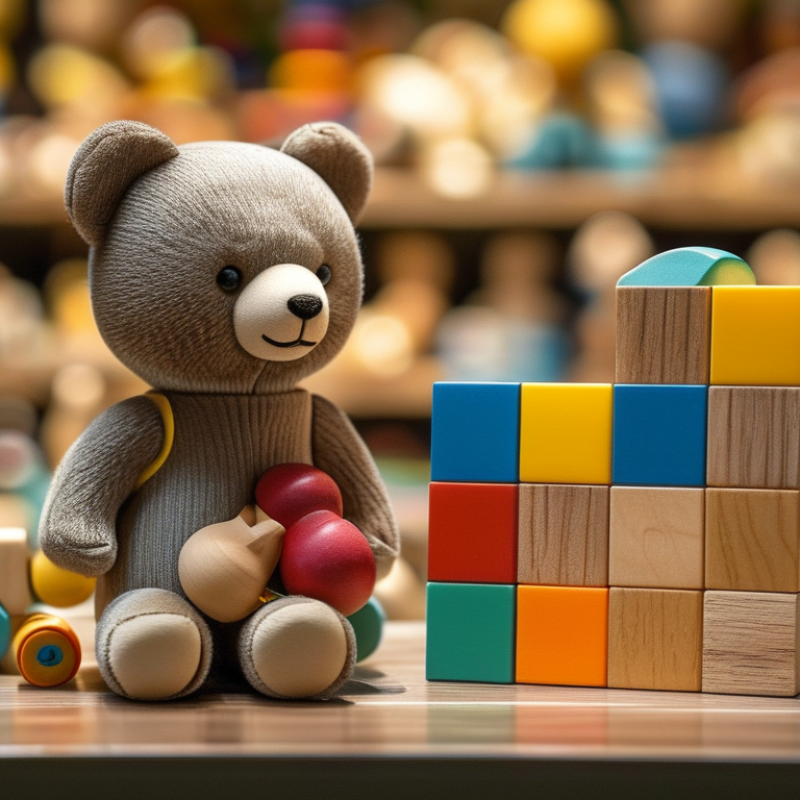
Open-ended toys, such as building blocks and art supplies, foster imaginative play. Research from the Institute of Play states that children who engage in creative play develop better problem-solving skills. They become more innovative thinkers. However, not all toys are created equally. Some toys may limit creativity with restrictive designs or preset functions. Parents should carefully select those that encourage exploration.
It's also important to note that not every child responds the same way to educational toys. What stimulates one child might not interest another. Observing your child's interactions with toys can guide better choices. Reflect on which toys truly inspire creativity. The goal is to create an environment that nurtures the imaginative spirit. With the right toys, every playtime can be a step towards meaningful growth.
Enhancing Social Skills through Interactive Toys
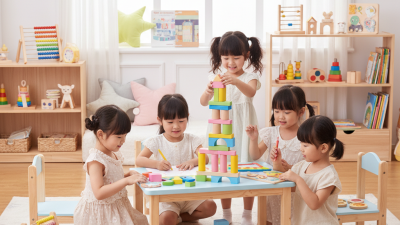
Choosing educational toys can significantly enhance your child’s social skills. Interactive toys stimulate communication and collaboration among children. According to a study by the American Academy of Pediatrics, children who engage with interactive toys show improved sharing and empathy by age five. These skills are critical for future relationships and academic success.
Tips: Encourage group play. This fosters teamwork. Consider toys that require multiple players. Remember, not all children thrive in group settings. Monitor their comfort level. Each child develops at their own pace.
Interactive toys can also teach problem-solving. For instance, constructing a building together promotes negotiation and patience. A report from the National Association for the Education of Young Children emphasizes the importance of play in developing socialization skills. Monitor their progress and engage in discussions afterwards.
It’s essential to create a safe environment. Too much pressure can lead to anxiety. Encourage open communication about feelings. Observing their interactions can be revealing, allowing you to understand their needs better. Each child is unique; patience is key in nurturing their social skills.
Promoting Physical Development with Active Learning Toys
Active learning toys play a crucial role in promoting physical development during childhood. These toys encourage children to explore their environment through movement. For instance, toys that involve climbing or balancing can boost motor skills. When children engage in physical activities, they improve their coordination and strength.
Moreover, active learning toys foster creativity and problem-solving. For example, building blocks can inspire children to construct and innovate. As they manipulate these blocks, they not only enhance their fine motor skills but also learn spatial awareness. Children often face challenges while playing. They may struggle to balance or fit pieces together, prompting them to think critically.
It is important to note that not every child will engage with physical toys in the same way. Some may feel hesitant or frustrated. This diversity in experience provides valuable lessons. Parents can help by encouraging perseverance through these challenges. Playtime should be seen as a platform for growth, not just fun. Through active engagement, children can develop resilience and adaptability, qualities that benefit them beyond play.
Selecting the Right Educational Toys for Different Age Groups
Choosing the right educational toys for children can significantly influence their growth. Different age groups have unique developmental needs.
For infants, toys that promote sensory exploration are essential.
Rattles, soft blocks, and textured toys engage their senses.
These toys help develop motor skills and cognitive abilities.
As children progress to toddlerhood, interactive toys become crucial.
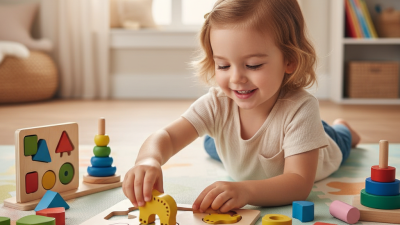
Building sets and shape sorters allow toddlers to experiment and learn about cause and effect.
They gain problem-solving skills while having fun. However, sometimes parents may choose toys that are too complex, which can lead to frustration.
For preschoolers, toys that encourage imaginative play are vital.
Dress-up costumes and pretend play sets boost creativity.
These options provide a space for social interactions and emotional development. But there's a risk of over-scheduling playtime.
Providing unstructured time is just as important for fostering independence and self-discovery.