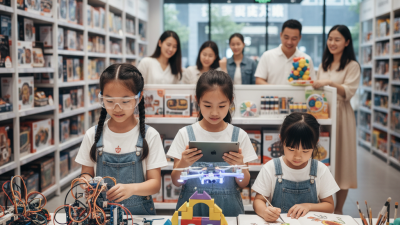
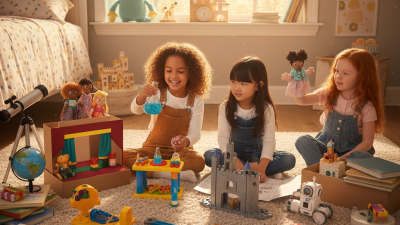
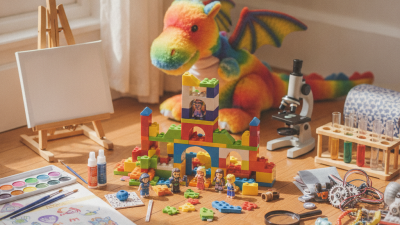
Choosing the right Toys For Girls in 2026 requires more than bright colors and popular characters. Children need toys that support curiosity, confidence, movement, creativity, and meaningful social play. A well-chosen toy should feel exciting in a child’s hands, not simply look attractive on a store shelf.
Dr. Amanda Gummer, founder of the Good Play Guide and a respected child-development specialist, says, “The best toys are the ones that children want to play with.” Her observation keeps the decision practical. A building set may become a city, a cardboard box, or nothing at all. That choice matters. Children should have room to direct the play.
This guide reviews ten Toys For Girls worth considering in 2026. The selection includes creative kits, science toys, outdoor products, dolls, puzzles, and technology-assisted options. Each choice is considered for age suitability, durability, safety features, learning value, and opportunities for independent play. Materials, small parts, battery use, and supervision needs also deserve attention.
No list is perfect.
A toy that delights one child may frustrate another. Some children prefer quiet puzzles, while others need active movement and noise. Parents should watch how a child actually plays, rather than follow advertising claims. The strongest options usually offer more than one activity and remain useful as skills grow. Gender should never limit a child’s interests. This guide uses “Toys For Girls” as a search term, not as a rule about what girls can enjoy. Expect thoughtful recommendations, practical cautions, and a few honest limitations.
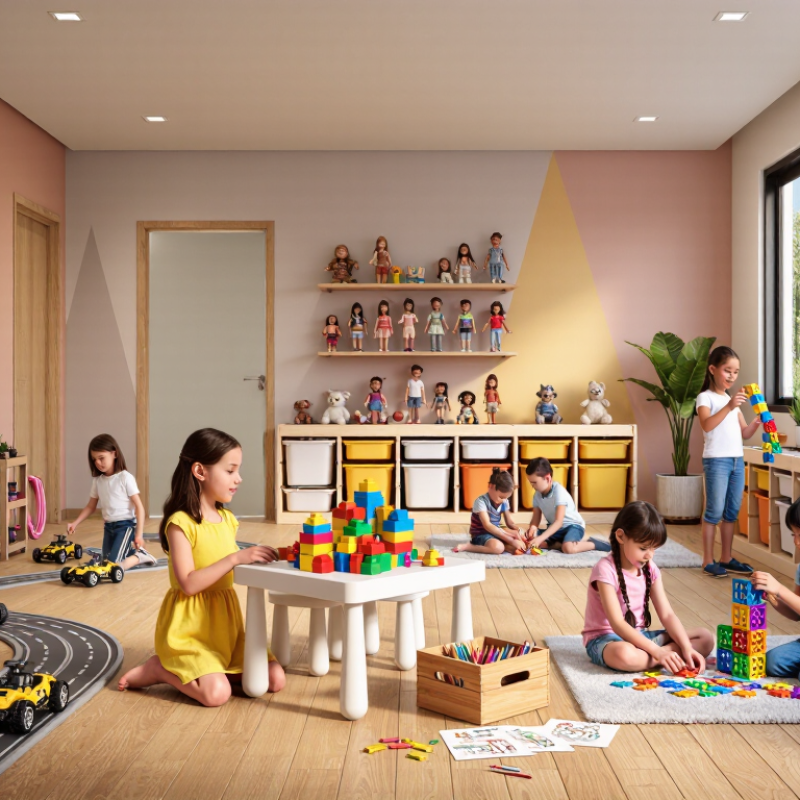
Choosing the best toys for girls in 2026 starts with the child, not the color of the packaging. Observe what she repeats during play. Does she build towers, invent stories, solve puzzles, create art, or care for small figures? A useful toy should support those interests while leaving room for new skills. Preferences can change quickly.
Age guidance matters, but it is only one part of the decision. Check small-part warnings, material information, weight, sound levels, and cleaning instructions. For younger children, choose sturdy pieces that are easy to grip and difficult to swallow. For older children, consider toys that develop planning, communication, spatial reasoning, or emotional expression. Safety information should come from clear, trustworthy sources.
Look for open-ended play. A box of construction pieces can become a bridge, a clinic, or a spacecraft. That flexibility often creates more value than a toy with one fixed purpose. Screen-connected toys deserve extra care. Review privacy settings, required permissions, offline features, and whether the toy remains useful without an internet connection. I once chose a highly recommended toy that produced too much noise for quiet indoor play. The child lost interest within days. That mistake reminded me to consider the home environment, not just the product description.
Good choices also include accessibility. Easy-grip controls, adjustable difficulty, visual instructions, and multiple ways to play can help more children participate. Read recent reviews, but compare them with professional safety guidance. A popular toy is not automatically the right toy.
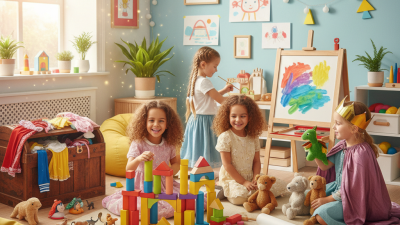
10 Best Toys for Girls to Buy in 2026?
Age, development, and play preferences matter more than gender. For toddlers aged one to three, choose stacking cups, chunky blocks, washable play dough, and simple pretend-food sets. These toys build coordination, language, and early problem-solving. For ages four to six, add dress-up materials, magnetic construction pieces, picture puzzles, and beginner art kits. The American Academy of Pediatrics links open-ended play with stronger language, social, and executive-function development. Simple toys often work hardest.
For ages seven to nine, consider science experiment sets, strategy games, craft tools, outdoor balance toys, and beginner musical instruments. For ages ten to twelve, try advanced construction systems, coding puzzles, journaling supplies, model-making kits, and cooperative board games. Circana’s 2024 U.S. toy market analysis showed continued demand for creative, collectible, and activity-based play, even as overall sales softened. Preferences still vary widely.
Movement deserves attention. WHO guidelines recommend at least 60 minutes of moderate-to-vigorous daily activity for children aged five to seventeen. A jump rope, scooter, or backyard target game can support that need. Age labels help, but they are not perfect. A confident eight-year-old may find a basic puzzle dull, while another may need more time. I would also avoid buying only “educational” toys. Children need room for messy, repetitive, and wonderfully unproductive play.
10 Best Toys For Girls to Buy in 2026?
Key Safety, Quality, and Sustainability Standards
Choosing the ten best toys for girls in 2026 should begin with safety, not appearance. Check age guidance, warning labels, and securely fitted parts before buying. Small parts matter. For children under three, avoid detachable pieces that could create choking risks. Examine seams, hinges, magnets, batteries, and painted surfaces. Strong odors, sharp edges, or loose threads deserve caution. Toys should also support varied interests, including building, science, art, movement, and imaginative play.
Reliable products usually have clear testing information and traceable materials. Look for compliance with recognized toy safety requirements, such as ASTM F963 or EN 71, where relevant. Requirements differ by market, so a familiar-looking label is not enough. Manufacturers should provide responsible contact details and care instructions. Washable surfaces, sturdy fasteners, and replaceable parts can extend practical use. I have found that simple construction often survives daily play better than complicated electronic features.
Sustainability needs closer inspection. Prefer durable wood, recycled plastic with documented content, paper packaging, and designs that can be repaired or passed on. Avoid vague claims such as “green” without evidence. A toy made from recycled material may still waste resources if it breaks quickly. That is an uncomfortable point. Consider the full life cycle, including batteries, shipping volume, and disposal options. Buying fewer, better-made toys may reduce clutter, although every household has different needs and budgets. Safety remains non-negotiable, even when environmental claims sound persuasive.
The 10 Best Toys for Girls to Buy in 2026 should support curiosity, movement, creativity, and independent play. In my experience, children return to toys that offer more than one possible activity. A sturdy building set encourages houses, bridges, or imaginary machines. An art kit adds color through washable paints, clay, and large paper. A children’s microscope makes leaves and fabric textures surprisingly interesting. A beginner coding robot introduces logic through simple commands and visible movement.
A pretend doctor kit can build communication skills during role-play. A puzzle with adjustable difficulty supports patience without feeling like homework. A cooperative board game teaches turn-taking and flexible thinking. A small keyboard or rhythm set gives children a safe way to explore sound. An outdoor discovery kit, including a magnifier and measuring tools, turns a garden into a learning space. A balance bike or active climbing toy develops coordination and confidence.
Choose according to the child’s age, abilities, interests, and available space. Check small parts, material quality, stability, and clear safety instructions. Some toys require supervision, especially during outdoor play. A coding robot may frustrate a child who prefers storytelling. A musical toy may test everyone’s patience. That matters. The best choice is not always the most educational-looking one; it is the toy a child willingly explores, modifies, and revisits. Preferences can change quickly in 2026. Allow room for that.
| Rank | Toy Type | Recommended Age | Key Developmental Benefits | Typical Price Range | Best For | Important Safety Consideration |
|---|---|---|---|---|---|---|
| 1 | Magnetic Building Set |
3–8 years | Supports spatial reasoning, early engineering concepts, creativity, and fine-motor coordination. | $20–$60 | Open-ended construction | Choose pieces that are securely sealed and inspect them regularly for cracks or loose magnets. |
| 2 | Interactive Science Kit |
6–12 years | Encourages observation, hypothesis testing, problem-solving, and interest in biology, chemistry, or physics. | $25–$70 | Hands-on learning | Use only with adult supervision and follow the age guidance and experiment instructions. |
| 3 | Art and Craft Studio Set |
4–12 years | Builds self-expression, color awareness, hand control, patience, and planning skills. | $15–$50 | Creative play | Look for non-toxic, washable materials and supervise the use of scissors, beads, and small accessories. |
| 4 | Beginner Coding Robot |
6–12 years | Introduces sequencing, logic, computational thinking, and structured problem-solving without requiring advanced reading. | $35–$120 | STEM exploration | Review app permissions, use strong account passwords, and select products with clear privacy settings. |
| 5 | Wooden Pretend-Play Kitchen Set |
3–7 years | Encourages imaginative storytelling, language development, social role-play, and practical-life routines. | $50–$180 | Imaginative play | Check for stable construction, smooth edges, secure hardware, and age-appropriate accessories. |
| 6 | Puzzles and Logic Game Collection |
5–12 years | Strengthens concentration, visual reasoning, memory, pattern recognition, and persistence. | $10–$40 | Quiet learning | Keep small puzzle pieces away from children under three and store the set in a sealed container. |
| 7 | Dollhouse and Storytelling Figures |
4–10 years | Develops narrative skills, empathy, communication, perspective-taking, and collaborative play. | $25–$150 | Social storytelling | Confirm that furniture, figures, and other small parts match the child’s age and developmental stage. |
| 8 | Beginner Musical Instrument Set |
3–10 years | Supports rhythm, listening skills, auditory memory, coordination, confidence, and creative expression. | $20–$100 | Music discovery | Choose durable, child-sized instruments and keep volume at a comfortable level to protect hearing. |
| 9 | Outdoor Balance and Movement Set |
3–9 years | Improves balance, gross-motor coordination, body awareness, confidence, and active play habits. | $30–$150 | Active play | Use on a clear, level surface and provide close supervision, especially when the set includes climbing elements. |
| 10 | Beginner Sewing and Textile Craft Kit |
7–12 years | Builds concentration, sequencing, fine-motor control, creativity, and practical making skills. | $18–$60 | Skill-building crafts | Use blunt or child-safe needles where appropriate and provide adult guidance during sewing activities. |
10 Best Toys for Girls to Buy in 2026? How to Compare Prices, Features, and Long-Term Value
A strong 2026 toy list should compare usefulness, not glitter or packaging. Circana’s U.S. toy industry review reported an 8% sales decline in 2023. That makes price discipline important for families. Grand View Research estimated the global toys market at $108.7 billion in 2023, with projected growth of 4.6% annually through 2030. Growing choice can create confusion.
Start with the complete cost. Include batteries, replacement parts, subscriptions, and storage space. A $25 construction set may offer more play hours than a $60 electronic toy. Check age guidance, material quality, repair options, and whether children can use the toy without constant adult help. Look for open-ended features, such as adjustable pieces, creative challenges, or cooperative play. Those details usually support longer use.
Measure value over twelve months. Divide the purchase price by realistic monthly use, not optimistic promises. A simple scorecard can rate safety, durability, learning value, accessibility, and resale potential. Industry safety guidance, including ASTM F963 requirements and U.S. Consumer Product Safety Commission recalls, deserves careful checking before purchase. However, compliance does not guarantee lasting interest. My scoring method also has a weakness: it may undervalue quiet imaginative play. A child’s repeated return matters more than an impressive feature list. Test the size, sound level, and controls when possible. Small annoyances become expensive quickly.