Top Sports Toys for Kids Which Ones Are the Best?
In recent years, the popularity of sports toys has surged among children. According to a report from the Sports & Fitness Industry Association, approximately 80% of parents believe that sports toys encourage physical activity. As children engage with these toys, they develop essential skills, such as coordination and teamwork, which are crucial for their overall growth.
However, choosing the best sports toys can be challenging for parents. The market is saturated with options, from simple balls to complex interactive games. A survey conducted by the Toy Industry Association highlights that 65% of parents often struggle to select safe and suitable sports toys for their kids. It’s not just about brand names; quality and safety should also be prioritized.
Moreover, children’s preferences can change rapidly. A toy that excites one child may not capture another's interest. This unpredictability makes the selection process daunting. Parents must remain informed and attentive to their child's evolving interests and developmental needs. Thus, understanding the landscape of sports toys is essential to making the right choices.
Top Sports Toys for Kids: An Overview of Leading Brands
When it comes to sports toys for kids, several brands stand out due to their engaging designs and safety. Many parents seek toys that encourage physical activity. A well-designed toy can promote coordination and teamwork. Durability is also crucial since kids can be rough during play.
Leading brands focus on high-quality materials and fun gameplay. They offer diverse options, from balls and rackets to interactive kits. These toys not only entertain but also help kids develop essential skills. It’s important to consider age-appropriateness for both safety and fun. Some toys may have small parts, which can pose risks to younger children.
Despite the high standards of many brands, not all options are created equal. Some may fall short on safety regulations or quality. Parents should research and read reviews to ensure they make informed choices. Check for warranties and return policies, as these can reflect a brand's confidence in their product. It’s essential to reflect on how toys can impact a child's physical development for years to come.
Top Sports Toys for Kids
| Toy Name |
Type |
Recommended Age |
Key Features |
| Mini Basketball Hoop |
Basketball |
3+ |
Adjustable height, easy installation |
| Soccer Goal Set |
Soccer |
4+ |
Portable, includes ball |
| Tennis Racket & Ball Set |
Tennis |
5+ |
Lightweight, durable construction |
| Softball Equipment Kit |
Softball |
6+ |
Includes bat, gloves, and balls |
| Kid's Golf Set |
Golf |
3+ |
Complete set with clubs and balls |
| Baseball Practice Trainer |
Baseball |
7+ |
Helps with batting practice, adjustable settings |
Benefits of Sports Toys for Child Development: Cognitive and Physical Gains
Sports toys play a vital role in child development. They promote physical activity, improving strength and coordination. Kids who engage in sports toys often develop better motor skills. Running, jumping, and throwing help cultivate these abilities. Children also learn vital social skills through group play. They understand teamwork, communication, and sharing.
Cognitive gains are equally important. Playing with sports toys encourages strategic thinking. Kids must make quick decisions during games. This boosts problem-solving skills. They also learn to set goals. Whether it's scoring a point or mastering a new skill, this focus is crucial. However, it's important to monitor playtime to prevent frustration. Some children may struggle, leading to disinterest.
Ultimately, balancing enjoyment and challenge is key. Sports toys should inspire confidence, not pressure. Encouraging a positive attitude toward physical activity helps foster lifelong habits. Parents should observe their child's engagement levels. If they seem overwhelmed, consider adjusting the complexity or type of play. Supporting children's journeys in sports is essential for their overall growth.
Top Sports Toys for Kids: Cognitive and Physical Gains
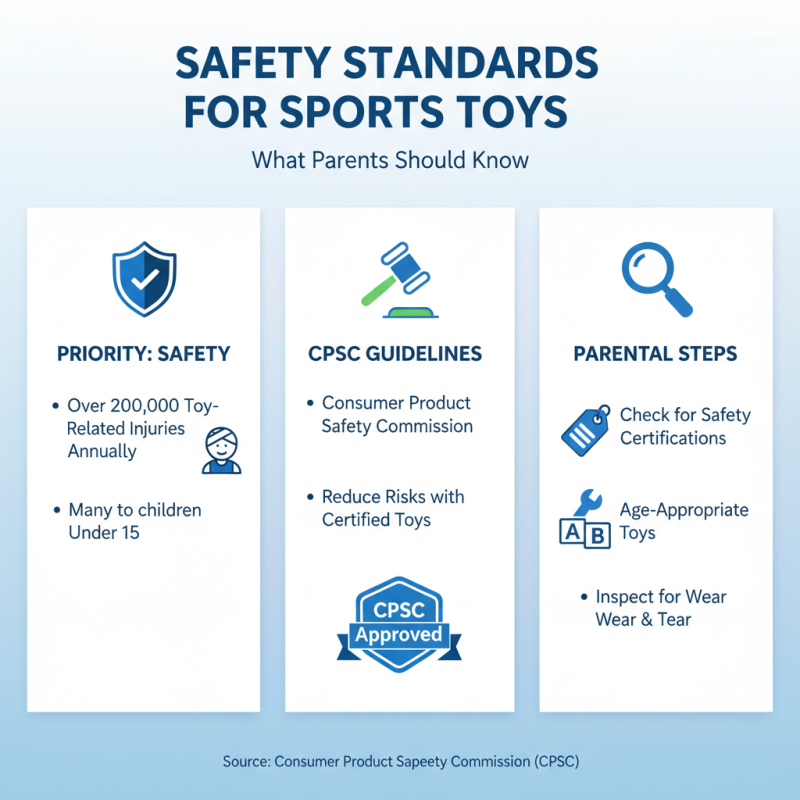
Safety Standards for Sports Toys: What Parents Should Know
When it comes to sports toys for kids, safety should be the top priority for parents. According to the Consumer Product Safety Commission (CPSC), over 200,000 injuries related to toys occur annually. Many of these incidents involve children under the age of 15. Ensuring that sports toys meet safety standards can significantly reduce these risks.
Parents should look for toys that comply with ASTM International safety standards. This means they have undergone rigorous testing for mechanical and physical properties. For example, toys should be free from sharp edges and small parts that could pose choking hazards. A study published by the American Academy of Pediatrics emphasizes that toys designed for specific age groups are more likely to be safe.
Additionally, the materials used for sports toys are critical. Non-toxic materials should be prioritized. Many parents often overlook labeling that indicates compliance with safety regulations. A lack of understanding about these standards can lead to poor choices. Educating oneself about materials helps ensure healthier play environments. While the market offers a plethora of options, scrutiny is key when selecting children's sports toys.
Market Trends: Growth of the Sports Toy Industry and Consumer Preferences
The sports toy industry is experiencing remarkable growth. Many parents recognize the importance of physical play for their children. Toys that promote sports can enhance motor skills and teamwork. Consumers now prefer toys that encourage active play while being safe and lightweight.
Kids are drawn to colorful and interactive toys. Soccer balls, basketball hoops, and jump ropes are popular choices. These items captivate children's interest and motivate them to engage. However, buyers should consider age appropriateness and safety features. Not all toys are suitable for every age group. Ensuring that toys are not too small or pose choking hazards is crucial.
Tips: When selecting sports toys, look for options that have adjustable features. This can allow for extended use as children grow. Additionally, consider outdoor toys that can be used in parks or backyards. This encourages group play and social interaction. Engaging children in active play is essential for their physical and emotional development.
Expert Recommendations: Best Sports Toys by Age Group and Skill Level
When selecting sports toys for kids, age and skill level play a vital role. Younger children, ages 3-5, benefit from toys that promote balance and coordination. A soft soccer ball or a lightweight basketball hoop encourages movement without overwhelming them. Learn-to-play sports kits are a great option. They provide a fun introduction to the basics while fostering a love for physical activity.
For kids aged 6-8, skill development becomes a priority. At this stage, consider toys that challenge their abilities. Frisbees or beginner-friendly baseball sets can enhance hand-eye coordination. Engaging in team sports like mini-soccer or flag football adds a social aspect. However, ensuring that the competition is friendly is essential. Kids should feel encouraged, not pressured.
As kids grow older, around ages 9-12, the focus shifts to refining skills. Sports toys that emphasize technique, like agility ladders or rebounders for soccer, can be very useful. However, parents should be mindful of their child's enthusiasm. Some kids may feel stressed. It's crucial to keep the experience enjoyable. Coaching might help, but it shouldn’t overshadow the fun. Balancing skill development with enjoyment is key in these formative years.